

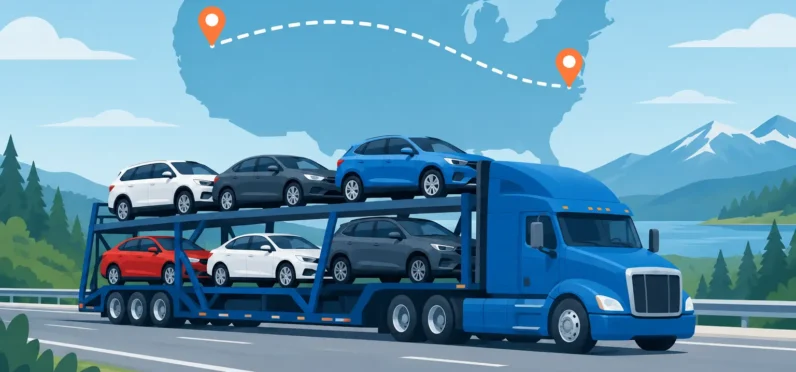
A coast-to-coast drive can add thousands of miles, several hotel nights, fuel costs, wear on your vehicle, and days you may not have available. Cross country car shipping replaces that road trip with a coordinated transport process: a carrier picks up your vehicle, moves it on a planned route, and delivers it as close to your destination as safely and legally possible.
For a relocation, a remote vehicle purchase, a seasonal move, or a military assignment, the goal is not simply to find the lowest number. It is to arrange a safe, secure shipment with clear expectations about timing, payment, coverage, and communication. Knowing how the process works before you book makes it much easier to compare offers and avoid surprises.
How cross country car shipping works
Most cross-country moves begin with the basics: the pickup and delivery locations, vehicle year, make, model, condition, transport type, and your preferred shipping dates. Those details help determine which carriers can handle the job and what the shipment is likely to cost.
Once you approve an offer, a transport coordinator works to match the shipment with a qualified, licensed carrier running your route. This is an important distinction. A broker or coordination service manages the quote, carrier options, dispatch details, and customer communication, while the carrier is the company and driver physically transporting the vehicle.
After a carrier accepts the shipment, you receive pickup coordination details. On pickup day, the driver inspects the vehicle with you and records its condition on a bill of lading. The car is loaded, transported, and delivered with a final inspection before the remaining balance is paid.
That process sounds straightforward because it is, but timing has moving parts. Cross-country carriers combine multiple vehicles and follow routes shaped by legal driving-hour limits, weather, road conditions, traffic, and other scheduled pickups and deliveries. A good transport plan accounts for those realities instead of promising an unrealistic exact arrival time.
Open or enclosed transport: choosing the right fit
Open carrier transport is the most common option for cars, trucks, and SUVs. Your vehicle travels on a multi-car trailer, similar to the equipment used to deliver new vehicles to dealerships. It is usually the most affordable way to ship a standard daily driver across the country.
Enclosed transport places the vehicle inside a covered trailer, offering additional protection from weather, road debris, and public exposure. It is often the better choice for classic cars, exotic vehicles, luxury models, or a vehicle with a particularly high value. The trade-off is cost and, in some markets, fewer available carrier options.
There is no universally correct choice. An open carrier can be a practical, safe option for a family SUV moving from New York to Florida. An enclosed carrier may provide more peace of mind for a restored collector car headed from California to Texas. The vehicle’s value, condition, budget, and your comfort level should guide the decision.
What determines the cost to ship a car across the country
Distance matters, but mileage is only one part of a cross-country transport quote. Carrier space is limited, and rates change with the actual effort required to move a particular vehicle on a particular route.
The biggest pricing factors include the vehicle’s size and weight, the popularity of the route, fuel conditions, seasonality, pickup and delivery accessibility, transport type, and how quickly you need the vehicle moved. A large pickup may require more trailer capacity than a compact sedan. A remote location may require extra time or a nearby meeting point that can safely accommodate a large carrier.
Flexibility can help keep costs under control. If possible, provide a pickup window rather than requiring a single date, book before the last minute, and consider meeting the driver in a wide, accessible parking area near your home. Tight residential streets, low branches, and restricted neighborhoods can make door-to-door service impractical for a full-size transport truck.
Be cautious with a quote that is dramatically lower than every other option. A low initial price can make it harder to secure a carrier if the amount does not reflect current market conditions. A useful quote is one that is transparent about the service, payment structure, and likely timing – not just one that looks good at first glance.
Prepare your vehicle before pickup
Preparation protects both you and the carrier. Wash the vehicle so existing marks are easy to identify, then take date-stamped photos from every angle. Include close-ups of existing scratches, dents, wheel damage, and windshield chips. These photos complement the pickup inspection and give you a clear pre-shipment record.
Remove personal belongings, toll tags, loose accessories, and valuable items from the interior. Auto carriers are transporting vehicles, not household goods, and personal property may not be covered under the carrier’s cargo insurance. Leave only the fuel needed for loading and unloading – usually about one-quarter of a tank is sufficient.
Make sure the vehicle is operable unless you arranged shipping for an inoperable vehicle. Tell the coordinator about mechanical issues, modifications, oversized tires, low ground clearance, alarm systems, leaks, or a non-functioning battery in advance. A carrier can often accommodate special circumstances, but only when the details are known before dispatch.
Pickup, tracking, and insurance without the confusion
At pickup, review the bill of lading carefully before signing. The driver should document the vehicle’s visible condition, and you should receive a copy. If someone else will release or receive the vehicle, make sure they are authorized, reachable by phone, and understand the inspection process.
During transit, communication matters as much as the truck itself. Pickup and delivery times can shift as the driver works through a multi-vehicle route, so plan for updates rather than assuming every milestone will happen at a fixed hour. A responsive coordinator can help you understand where the shipment stands and coordinate with the carrier when plans change.
Carrier cargo insurance generally applies while the vehicle is in the driver’s care, custody, and control, but coverage terms can vary. Before booking, ask how insurance is handled, what documentation is available, and what to do if damage is discovered. You can also check with your personal auto insurer to understand whether your policy provides any additional protection during transport.
At delivery, inspect the vehicle before signing the final paperwork. Compare its condition with your pickup photos and the original bill of lading. If you notice new damage, document it clearly on the delivery inspection report and take photos before the driver leaves. This step is not about expecting a problem. It is about making sure the record is accurate if an issue needs to be addressed.
Understanding payment and delivery expectations
A clear payment structure removes much of the uncertainty from auto transport. With USA Auto Shipping, the deposit is charged after a carrier accepts the shipment, rather than before a carrier is secured. The remaining balance is paid at delivery according to the agreed payment terms.
Ask how payment is split, which payment methods the driver accepts, and whether there are any changes that could affect the final amount. For example, changing from an operable sedan to an inoperable SUV, requesting enclosed transport after booking, or moving the pickup to a difficult-access location can alter the shipment requirements.
Door-to-door service means the carrier will aim to pick up and deliver at your specified addresses. It does not guarantee that a large truck can legally or safely enter every street. When access is limited, meeting at a nearby shopping center, truck stop, or broad public lot is often the fastest and safest solution.
Book with enough time to make good choices
Cross-country transport works best when it is treated as a coordinated move, not a same-day errand. Giving yourself time to review carrier options, prepare the vehicle, and stay flexible on pickup helps create a smoother experience and can improve pricing options.
Your car does not need to make the trip the same way you do. With the right carrier match, documented inspections, practical preparation, and regular communication, you can focus on arriving at your next destination while your vehicle is transported on a plan built for safety and peace of mind.