

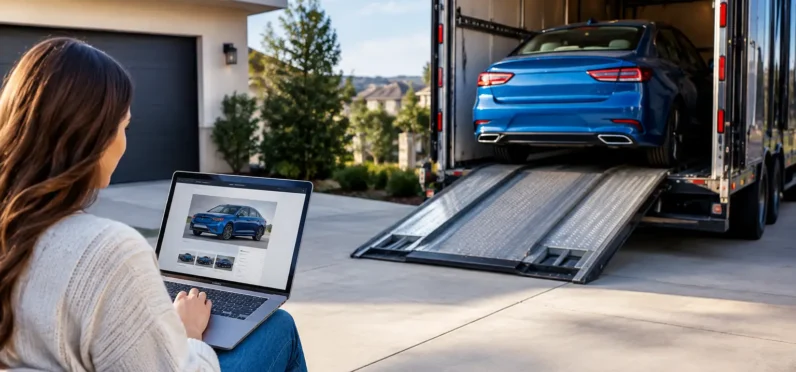
Buying a vehicle online can save time, expand your choices, and help you find the exact car, truck, or SUV you want. But shipping car after online purchase requires more than selecting the lowest transport quote. You need a clear handoff plan with the seller, realistic pickup expectations, verified carrier coverage, and a delivery process that protects you from avoidable surprises.
Whether you bought from a private seller, an online auction, or an out-of-state dealer, auto transport lets you bring the vehicle home without adding hundreds or thousands of miles to its odometer. The right coordination turns a remote purchase into a controlled, trackable move from the seller’s location to your driveway or another accessible delivery point.
Shipping a Car After an Online Purchase Starts Before Pickup
The transport process is easiest when you arrange it as soon as the sale is secure. Do not wait until the seller is asking for the vehicle to be removed tomorrow. Carrier availability changes by route, season, vehicle type, and pickup location. More notice generally gives your coordinator more carrier options and may help keep the price competitive.
First, make sure the seller can legally release the vehicle. Confirm that payment has cleared, the title or ownership paperwork is handled as required, and the seller has the keys available. If a dealer is releasing the vehicle, ask whether it has receiving hours, a loading area, or any appointment requirements for a large transport truck. Auction facilities may have storage deadlines and release procedures that need to be shared before dispatch.
You also need accurate vehicle details. A carrier needs the year, make, model, current condition, and whether the vehicle runs, rolls, steers, and brakes. An inoperable vehicle can still be moved, but it usually requires special equipment and costs more than standard running transport. Be upfront about modifications, low ground clearance, oversized tires, roof racks, or a vehicle that sits unusually low. Small details can affect which carrier is appropriate.
Choose the Transport That Fits the Vehicle
For most everyday cars, trucks, and SUVs, open-carrier transport is the practical choice. It is the same type of multi-vehicle trailer commonly used to deliver new vehicles to dealerships. It is typically the most affordable option and is well suited to standard vehicles traveling across state lines or across the country.
Enclosed transport places the vehicle inside a covered trailer, providing added protection from road debris and weather. It is often the preferred option for classics, exotics, luxury vehicles, custom builds, and collector cars. The trade-off is cost and, on some routes, fewer available carrier options. If the vehicle’s condition, value, or finish makes added protection worthwhile, enclosed shipping can provide greater peace of mind.
Door-to-door service means the carrier aims to pick up and deliver as close to the requested addresses as safely and legally possible. That does not always mean directly at the curb. Long trailers may be unable to navigate narrow residential streets, gated communities, low branches, or tight turns. In those cases, the driver may arrange a nearby meeting point, such as a wide shopping center lot. This is normal and should be viewed as a safe loading solution, not a service failure.
Understand What Your Quote Covers
A transport quote is based on the route, distance, vehicle size, operating condition, transport type, season, and current carrier demand. A sedan moving between major metro areas may have more carrier availability than a lifted truck being collected from a rural location. Prices can also rise during busy snowbird seasons, around holidays, and when fuel costs or weather disruptions affect routes.
A trustworthy quote should explain the service rather than leave you guessing what happens next. Ask how the carrier is selected, when a deposit is charged, and how the remaining balance is paid. With USA Auto Shipping, the deposit is charged after a carrier accepts the shipment, while the balance is paid at delivery according to the agreed payment terms. That structure gives customers visibility before their vehicle is assigned for transport.
Be cautious about a quote that seems dramatically lower than every other option. A low number may not reflect the current market for your route, which can lead to delayed dispatch attempts or pressure to increase the price later. Affordable shipping matters, but a realistic quote and responsive communication usually provide better value than an offer that cannot attract a qualified carrier.
Prepare the Seller and Vehicle for Pickup
Once a carrier is assigned, share the driver’s pickup information with the seller and make sure both parties understand the expected pickup window. A carrier’s schedule can shift because of traffic, weather, customer delays, or legal driving-hour limits. Good coordination accounts for this reality while keeping everyone updated.
The seller should remove personal belongings from the vehicle. Household items, tools, electronics, and other loose cargo are not part of standard vehicle transport and can create liability, weight, and damage concerns. Leave only items that are necessary for the vehicle, such as factory-installed equipment and one set of keys.
The vehicle should have about a quarter tank of fuel, enough for loading and unloading without adding unnecessary weight. The seller should also disable toll tags, secure or retract antennas when possible, and report any mechanical concerns. If the vehicle has an alarm, provide clear instructions for turning it off.
Before loading, the driver and release party complete a vehicle condition report, often called a bill of lading. This document records visible exterior condition before transport. Photos are equally useful. Ask the seller to take clear, dated photos of every side of the vehicle, the wheels, windshield, roof, and any existing scratches, dents, or cracked glass. Keep those photos until delivery is complete.
Know What Happens While the Vehicle Is in Transit
Once loaded, the vehicle begins its trip with other customer vehicles on the carrier’s route. Delivery timing depends on distance, route density, weather, required rest periods, and scheduled stops. Cross-country shipping generally takes longer than a regional move, and exact delivery dates can be difficult to guarantee until the driver is closer to the destination.
That is why communication matters. A coordinated shipment should include pickup confirmation, status updates when available, and advance notice as delivery approaches. If your plans change, tell your transport coordinator early. A last-minute change to the delivery address, a closed community gate, or an unavailable recipient can affect the driver’s schedule and may lead to additional charges.
Auto carriers are required to carry cargo insurance, but customers should understand the details before pickup. Confirm that the assigned carrier is properly licensed and insured and ask how claims are handled if damage is discovered. Insurance is most useful when the pre-pickup and delivery inspections are thorough, so do not treat the paperwork as a formality.
Inspect the Vehicle Carefully at Delivery
When the driver arrives, inspect the vehicle before signing the final delivery paperwork. Use the original condition report and the seller’s photos as your reference. Walk around the vehicle in good light if possible, check the glass and wheels, and look at the areas where existing damage was noted.
If you see new damage, point it out to the driver immediately and make sure it is documented on the bill of lading before you sign. Take photos from several angles. Do not rely on a verbal discussion alone. Clear documentation protects your ability to follow the carrier’s claims process if needed.
If the vehicle arrives after dark or in bad weather, use a flashlight and take extra care. You do not need to rush through an inspection simply because the driver is on a schedule. A professional driver expects a reasonable walk-around, and a careful review is part of a safe, secure delivery.
Make a Remote Vehicle Purchase Feel Local
The best transport experience starts with information, not guesswork. Give accurate vehicle details, confirm the seller’s release process, choose open or enclosed transport based on the vehicle’s needs, and leave room in your schedule for normal pickup and delivery variables.
A car bought online may begin its journey in another state, but the delivery should still feel organized and personal. When each handoff is planned – from seller release to final inspection – you can focus less on the distance and more on enjoying the vehicle waiting at the end of the route.