

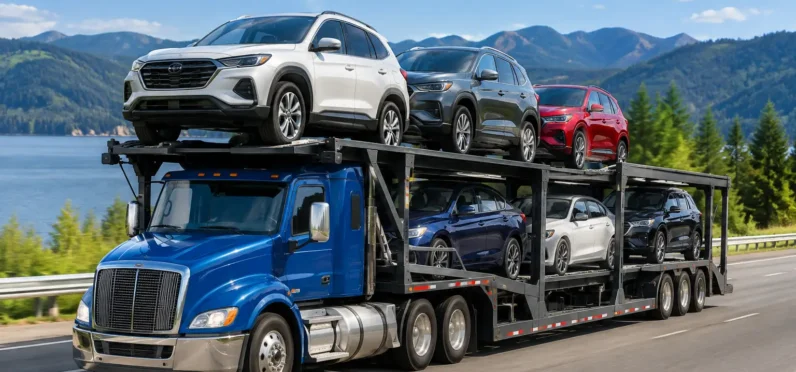
A cross-country drive can add thousands of miles, days of planning, fuel costs, lodging, and wear to a vehicle you would rather keep protected. Car haulers provide a practical alternative: a qualified carrier loads your vehicle, transports it on an assigned route, and delivers it near your destination. For a move from Florida to Texas, a remote vehicle purchase, or a seasonal relocation, that can turn a difficult drive into a coordinated shipment.
The key is understanding what you are buying. Auto transport is not simply reserving space on a truck. Pickup availability, vehicle type, route demand, trailer selection, inspection records, and delivery communication all affect the experience. A clear process helps you compare options with confidence and prepare your vehicle for a safe, secure trip.
What Car Haulers Do
Car haulers are the carriers and trailers used to move vehicles from one location to another. Most consumer shipments travel on multi-car trailers that carry several vehicles along a planned route. This shared capacity is one reason auto transport is often more affordable than hiring a dedicated truck for one vehicle.
An auto shipping coordinator or broker helps arrange that move. The coordinator collects the vehicle and route details, checks carrier-network options, presents an offer, confirms the assigned carrier, and stays involved as pickup and delivery are scheduled. The actual driver and carrier physically load, transport, and unload the vehicle.
That distinction matters because timing is route-based. A carrier may need to complete nearby pickups before arriving at your address, and delivery windows can shift because of traffic, weather, mechanical issues, or federally required driver rest periods. A trustworthy shipment plan accounts for those realities rather than promising a precise hour weeks in advance.
Open vs. Enclosed Car Haulers
Open transport is the standard choice for most cars, trucks, and SUVs. Vehicles ride on an open trailer, similar to the transport trucks seen delivering new vehicles to dealerships. It is widely available, generally costs less than enclosed shipping, and works well for everyday vehicles, relocations, and dealer inventory.
Enclosed transport places the vehicle inside a covered trailer. It costs more because enclosed equipment has limited capacity and is less common, but it adds protection from road debris and weather. Owners often choose it for classic cars, exotic vehicles, collector models, or luxury vehicles with low ground clearance.
Neither option is automatically right for every shipment. An older daily driver moving from New York to Florida may be well suited to open transport. A restored classic headed to a show deserves a conversation about enclosed availability, loading equipment, and the vehicle’s declared value. The best choice balances the vehicle’s needs, your timeline, and your budget.
What Determines Your Shipping Price
A quote should reflect the real demands of the shipment, not just the distance between two ZIP codes. Longer routes generally cost more overall, but popular lanes can be more competitively priced than shorter trips into remote areas. A shipment from Los Angeles to Dallas, for example, may have stronger carrier availability than a vehicle going to a small town far from an interstate.
Vehicle size and condition matter as well. A large SUV or heavy-duty pickup occupies more trailer space than a compact sedan. Inoperable vehicles require special loading arrangements, such as a winch, and must be disclosed before dispatch. Modified, oversized, or very low vehicles may also need equipment that changes the price.
Seasonality affects demand. Snowbird routes to and from Florida can become busy during certain months, while severe winter weather can reduce capacity on northern lanes. Flexible pickup dates may give the carrier more routing options and can help keep pricing reasonable.
Be cautious with a quote that is dramatically lower than every other offer. An unrealistically low number may be difficult to dispatch at the stated price, leading to delays or pressure to pay more later. A reliable quote discussion explains the transport type, estimated pickup window, payment timing, and factors that could affect the final carrier assignment.
How to Prepare a Vehicle for Transport
Preparation protects both you and the carrier. Before pickup, wash the exterior well enough to make the vehicle’s condition visible. Remove personal belongings, toll tags, loose accessories, and aftermarket items that could shift or be damaged. Most carriers are transporting the vehicle, not household goods, and personal items can create weight, liability, and inspection complications.
Keep the fuel level at about one-quarter of a tank. This is enough for loading and unloading without adding unnecessary weight. Check for fluid leaks, secure or retract antennas, fold mirrors when possible, and make sure the battery is charged. If your car has starting problems, a damaged tire, an alarm, or special operating instructions, share that information before pickup.
Take dated photos from multiple angles, including close-ups of existing scratches, dents, or chips. The driver will also complete a vehicle condition report, commonly called a bill of lading, at pickup. Read it before signing and make sure existing damage is accurately marked. This document becomes the starting point for the delivery inspection.
Pickup and Delivery Are a Two-Part Inspection
Large car haulers cannot always enter narrow residential streets, low-clearance areas, or apartment complexes. The driver may ask to meet at a nearby shopping center, wide street, or other safe location that accommodates the trailer. This is normal and often speeds up the loading process.
At pickup, be present yourself or designate an adult who can release the vehicle, review the condition report, and provide keys. The driver secures the vehicle to the trailer and begins transit. During the trip, shipment updates should give you a useful sense of progress without creating false certainty around road conditions or changing route schedules.
At delivery, inspect the vehicle in daylight when possible and compare it with your pickup photos and bill of lading. Check the exterior, glass, wheels, and visible undercarriage areas before signing the final paperwork. If you notice new damage, document it with photos, note it on the delivery report before signing, and contact the transport coordinator promptly. Carriers should maintain the required insurance while the vehicle is in their care, but the paperwork and prompt reporting are essential if a claim is needed.
Questions to Ask Before You Book
A good transport conversation should leave you with practical answers, not more uncertainty. Ask whether the quoted service is open or enclosed, whether your vehicle can be picked up at your address, and what pickup window the carrier expects. Confirm the payment structure, including when any deposit is charged and when the remaining balance is due.
You should also ask how carrier credentials and insurance are reviewed, who will provide updates after dispatch, and what happens if weather or a route change affects timing. If your vehicle has special needs, ask about low-clearance loading, inoperable status, or enclosed equipment before accepting an offer.
USA Auto Shipping coordinates these moving parts by gathering shipment details, matching customers with qualified carrier options, confirming dispatch, and supporting communication from pickup through delivery. That structure gives first-time shippers a clearer path while still giving experienced buyers the information they need to make a sound decision.
A Better Way to Plan the Move
The smoothest vehicle shipments begin with accurate information and a little scheduling flexibility. Share the exact pickup and delivery locations, vehicle condition, size, modifications, and date needs early. Then review the transport option based on value and fit, not price alone.
Your vehicle does not need to make the journey under its own power just because your life is changing states. With the right carrier arrangement, careful inspections, and clear communication at each stage, car hauling can be a dependable way to arrive with your vehicle ready for the next mile.