

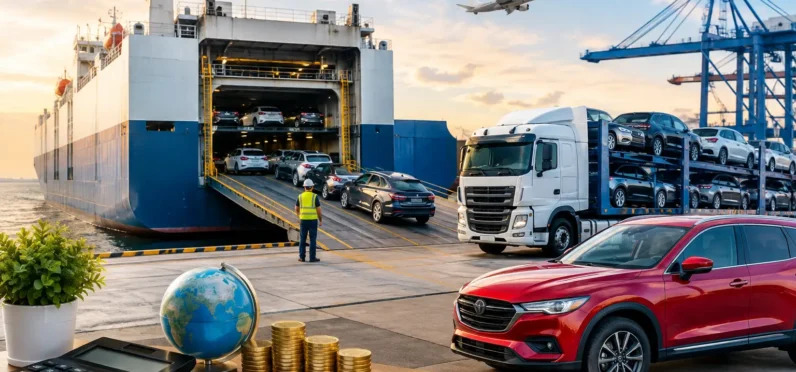
A vehicle-shipping quote is not just a mileage calculation. The top factors affecting shipping rates include the space your vehicle takes on a trailer, how easy it is for a carrier to reach both locations, and how much carrier capacity is available when you need to move. Understanding those variables makes it easier to compare quotes, plan your budget, and choose a transport option that protects both your vehicle and your schedule.
For most customers, the goal is straightforward: get the car, truck, or SUV where it needs to go safely, on time, and without taking on the cost and wear of a long drive. The price can vary from one shipment to the next because each route and vehicle presents a different dispatch challenge.
Distance and Route Demand Affect Car Shipping Prices
Distance is one of the largest factors in any auto transport quote. A longer move generally costs more in total because the carrier uses more fuel, labor hours, and equipment time. However, the per-mile rate often drops as the distance increases. A 2,000-mile cross-country shipment will cost more than a 300-mile regional move, but it may not cost six or seven times as much.
The route matters almost as much as the mileage. Busy routes between major metro areas often have more carriers moving through them, which can create better pricing and more pickup options. For example, vehicle transport between Florida and New York or between Texas and California is commonly requested, so carriers may be more available than they are on a less-traveled route.
Remote pickups and deliveries can raise the rate. If a driver must leave a main highway corridor, travel through rural roads, or cover significant extra miles to reach a location, that time and fuel need to be reflected in the carrier’s offer. Sometimes the best value is meeting the carrier at a nearby large parking lot, shopping center, or other truck-accessible location.
Vehicle Size, Weight, and Condition
Carriers price their trailer space carefully. A compact sedan takes up less room and adds less weight than a full-size pickup, large SUV, lifted truck, or commercial vehicle. Larger vehicles can also limit how a driver loads the rest of the trailer, especially if the vehicle is tall, wide, or modified.
Accurate vehicle information helps prevent avoidable quote changes. When requesting an estimate, share the correct year, make, model, and any relevant modifications. Oversized tires, roof racks, lift kits, aftermarket bumpers, and unusually low ground clearance can affect loading requirements and available trailer space.
Whether the vehicle runs also matters. A standard operable vehicle can be driven onto and off the carrier. A non-running vehicle may require a winch or additional equipment, and not every carrier is set up to handle it. Let the transport coordinator know if the vehicle has brake, steering, battery, or transmission issues before dispatch so the right carrier can be selected from the start.
Open vs. Enclosed Transport Changes the Rate
Open carrier transport is the most common and typically the most affordable way to ship a vehicle. These multi-car trailers are widely available and work well for most daily drivers, family vehicles, dealership inventory, and standard SUVs. Your vehicle is secured on an open trailer and is exposed to normal road and weather conditions, much like vehicles being delivered to a dealership.
Enclosed transport costs more because enclosed trailers have fewer available spaces, provide added protection from weather and road debris, and are often used for higher-value or lower-clearance vehicles. Classic cars, exotic vehicles, luxury models, and collector cars may be better candidates for enclosed shipping, particularly when appearance protection is a priority.
The right choice depends on the vehicle and your comfort level. Paying extra for enclosed transport can make sense for a rare or highly valuable car. For a reliable commuter vehicle, open shipping is often the practical balance between affordability and secure professional transport.
Timing and Seasonal Demand Can Move Rates Quickly
Auto transport is a capacity-based service. When more customers need a limited number of carrier spaces, prices tend to increase. Seasonal moves are a familiar example. Snowbird routes to Florida can become busier in fall and spring, while winter weather may affect northern routes and carrier schedules.
The date flexibility you provide can also affect your options. A customer who can make a vehicle available over several days is generally easier to match with a carrier than someone requiring pickup at a specific hour on a specific day. Flexibility gives the dispatch team more opportunities to secure a qualified carrier traveling your route.
Last-minute shipping may cost more, especially during high-demand periods. A carrier may need a stronger financial incentive to adjust an existing route or prioritize a quick pickup. If possible, request your estimate and begin planning one to two weeks before the vehicle needs to move. That does not guarantee a specific rate, but it gives more time for carrier matching and pickup coordination.
Pickup and Delivery Access Matter More Than Many Customers Expect
Large auto carriers cannot safely enter every neighborhood. Low tree branches, narrow streets, tight turns, homeowner restrictions, steep grades, and limited parking can all prevent a full-size trailer from reaching your front door.
Door-to-door service means the driver will get as close to your pickup and delivery address as safely and legally possible. It does not always mean the trailer can park directly in front of your home. If access is limited, the driver may arrange a nearby meeting point that is easier for the truck to reach.
This approach protects your vehicle, the carrier’s equipment, and local traffic conditions. It can also help avoid delays. Before pickup, check whether your street can accommodate a long commercial truck and keep your phone available so you can coordinate with the driver.
Fuel, Labor, Tolls, and Carrier Availability
Shipping rates reflect real operating costs. Fuel prices, toll roads, insurance expenses, driver labor, equipment maintenance, and regulatory requirements all influence what carriers need to earn for a route. These expenses can shift during the year, even if your pickup and delivery locations stay the same.
Carrier availability is especially important because auto transport is not a fixed-price parcel service. A quote helps identify a competitive target range, but a shipment is not assigned until a carrier accepts the job. On a route with many drivers, carriers may compete for the load. On a difficult route or a short-notice request, fewer available trucks can mean a higher accepted rate.
A very low estimate deserves a closer look. If the listed price is below what carriers are accepting for the route, it may be difficult to dispatch promptly. A clear quote should explain the transport type, vehicle details, route, timing, and payment expectations rather than relying on a number that cannot realistically attract a carrier.
How to Get a More Accurate Shipping Quote
The most useful quote starts with complete information. Provide exact pickup and delivery ZIP codes, the correct vehicle details, your desired transport type, and the earliest date the vehicle will be ready. Tell the coordinator about inoperability, modifications, oversized dimensions, or restrictions at either address.
It also helps to separate price from value. The lowest number is not automatically the best choice if it comes with uncertain dispatch timing, limited communication, or unclear payment terms. Look for a coordinator that explains the process from quote and carrier assignment through pickup, tracking, delivery inspection, and final payment.
At USA Auto Shipping, customers can review carrier options and receive support throughout the move, rather than trying to manage carrier communication alone. The deposit is charged after a carrier accepts the shipment, with the remaining balance paid at delivery according to the agreed transport terms.
Prepare Your Vehicle Without Creating Extra Costs
A clean, prepared vehicle helps pickup go smoothly. Remove personal belongings, take photos of the vehicle from all sides, and document existing damage before the driver arrives. Keep the fuel level at roughly one-quarter tank so the vehicle can be loaded without adding unnecessary weight.
If your vehicle has an alarm, make sure the driver knows how to disable it. Fold in mirrors when possible, remove loose accessories, and confirm that the keys are available at pickup. These small steps reduce delays and make the inspection process clearer for everyone involved.
Shipping a vehicle does not have to feel like handing over control. When you understand the route, equipment, timing, and vehicle-specific details behind a quote, you can make a confident decision and plan for a safe, secure delivery.