

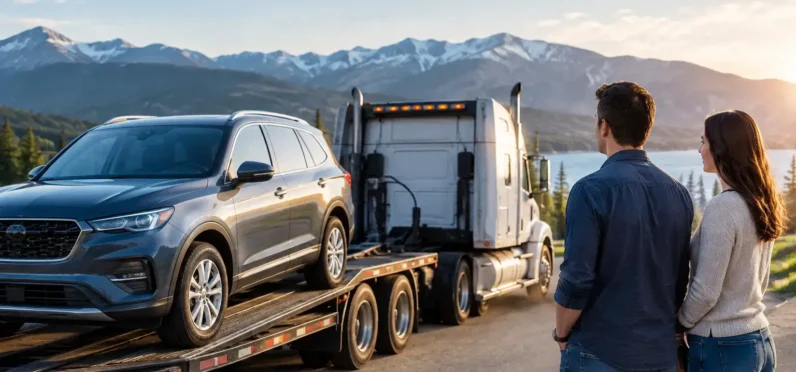
A new job start date, a military assignment, a college move, or a seasonal move can leave little room for a multi-day drive. Out of state vehicle relocation gives you a practical alternative: your car, truck, or SUV travels on a professional carrier while you focus on the move itself. The key is knowing what affects the price, how scheduling works, and what to check before handing over the keys.
For most customers, vehicle shipping is not something they do often. That is why a clear process matters. You should know who is moving the vehicle, what type of trailer is being used, when payment is due, and how you will receive updates from pickup through delivery.
When Out of State Vehicle Relocation Makes Sense
Driving may look like the lower-cost option at first, but the total cost can add up quickly. Fuel, hotels, food, tolls, time off work, added mileage, and the wear on your vehicle all deserve a place in the calculation. A cross-country drive can also be difficult when you are traveling with children, pets, multiple vehicles, or a household move that already has a tight schedule.
Shipping is often the more convenient choice for people relocating from Florida to Texas, moving to or from New York, buying a vehicle from an out-of-state seller, or sending a car to a student or family member. It also makes sense for classic, luxury, and low-clearance vehicles that should not take on unnecessary highway miles.
The right choice depends on your priorities. If your vehicle is a daily driver and your pickup window is flexible, open-carrier shipping is usually the most affordable route. If the vehicle is collectible, high-value, or needs added protection from weather and road debris, enclosed transport may be worth the higher rate.
What Determines Your Shipping Price
There is no responsible one-price-fits-all quote for interstate transport. Carrier availability changes by route and season, and a few shipment details can materially change the cost. Accurate information at the quote stage helps prevent delays or revised pricing later.
Distance matters, but it is not the only factor. Popular routes with regular carrier traffic can be more competitively priced than less-traveled routes that are shorter on a map. Vehicle size and weight also matter. A full-size pickup or large SUV takes more trailer space than a compact sedan, while modified vehicles may require special loading equipment.
Your pickup and delivery locations influence the quote as well. Door-to-door service means the carrier comes as close to each address as local roads, parking restrictions, and trailer access allow. On narrow residential streets, gated communities, or busy downtown areas, the driver may ask to meet at a nearby wide road, shopping center, or truck-friendly location. This is normal and can make pickup safer and faster.
Timing is another pricing variable. A flexible pickup window generally gives dispatchers more carrier options. Expedited service can be helpful when a move date cannot shift, but it normally costs more because the carrier must prioritize the load. Seasonal demand can also affect availability, particularly during snowbird moves, holiday periods, and peak summer relocation season.
Choose the Transport Type That Fits the Vehicle
Open transport is the standard choice for most out of state vehicle relocation. Your vehicle is secured on an open multi-car trailer, the same type commonly used to deliver new cars to dealerships. It offers dependable transportation at a lower cost than enclosed shipping, although the vehicle is exposed to normal weather and road conditions during transit.
Enclosed transport places the vehicle inside a covered trailer. It is a strong option for antiques, exotics, luxury vehicles, show cars, and vehicles with custom finishes. Because enclosed trailers carry fewer vehicles and are less widely available, expect a higher price and, in some areas, a longer lead time.
Do not choose enclosed service solely because a vehicle is new. For many late-model daily drivers, open transport provides the practical balance of protection, availability, and cost. Choose enclosed service when the vehicle’s value, condition, or purpose justifies the additional investment.
A Clear Process From Quote to Delivery
A reliable shipment starts with the right details. Provide the year, make, model, operating condition, pickup and delivery ZIP codes, desired timing, and whether the vehicle has modifications. Be direct about a non-running vehicle, oversized tires, roof racks, lift kits, or a very low profile. These details affect the equipment and carrier match.
After you request an estimate, a transport coordinator reviews carrier options for your route. A brokerage service does not usually own the trucks that perform every shipment. Instead, it coordinates the move through a network of qualified carriers, helping match your vehicle, route, timing, and transport preference with an available driver. Ask whether the carrier is properly licensed and insured and make sure you understand the quoted service before agreeing to dispatch.
Once a carrier accepts the shipment, pickup is scheduled within the agreed window. USA Auto Shipping follows a customer-protective payment structure in which the deposit is charged after a carrier accepts the shipment, while the remaining balance is paid at delivery. Confirm the accepted payment methods and payment terms before pickup, since requirements can differ by carrier.
At pickup, the driver performs a vehicle condition inspection, often called a bill of lading. Walk around the vehicle with the driver and review the document carefully. Note existing scratches, dents, chips, or mechanical concerns. Take your own time-stamped photos from several angles, including close-ups of any existing damage. This takes only a few minutes and creates a clear record of the vehicle’s condition before transit.
During transportation, realistic communication is more useful than an overpromised delivery time. Traffic, weather, customer pickup delays, mechanical issues, and federal driver-hours rules can affect a route. A good coordinator provides regular updates and lets you know when the carrier is approaching delivery. Carriers typically provide advance notice, so make sure the person receiving the vehicle can answer calls and be available for the handoff.
At delivery, inspect the vehicle before signing the final paperwork. Compare its condition with the pickup inspection and your photos. If you see an issue, document it clearly on the bill of lading before the driver leaves and notify the transport coordinator right away. This protects your ability to address a concern through the proper process.
Prepare Your Vehicle for Pickup
Preparation protects both your vehicle and the schedule. Start by removing personal belongings. Auto carriers are generally not household movers, and personal items can create weight, safety, and insurance complications. Keep only factory-installed equipment in the vehicle unless your coordinator confirms otherwise.
Leave about a quarter tank of fuel. That is enough for loading and unloading without adding unnecessary weight. Check that the battery is charged, tires are properly inflated, and there are no fluid leaks. If the vehicle has an alarm, disable it or provide clear instructions. Fold in mirrors, remove or secure loose accessories, and tell the driver about any special starting or shifting instructions.
For a non-running vehicle, clarify whether it rolls, steers, brakes, and can be loaded safely. A vehicle that does not run can still be shipped, but it requires the right equipment and should never be described as operable just to obtain a lower quote.
Questions Worth Asking Before You Book
Ask whether the quote is for open or enclosed transport, whether it includes door-to-door coordination, and what pickup window is realistic. Confirm the carrier’s insurance information and ask what coverage applies while the vehicle is in the driver’s care. It is also wise to review your own auto policy, especially if the vehicle has unusual value or aftermarket equipment.
Ask how status updates will be handled and who to contact if your timing changes. Finally, get the payment schedule in writing. A low quote can become frustrating if it leaves out essential details about carrier assignment, deposits, delivery payment, or special equipment.
The best out of state vehicle relocation plan is not simply the cheapest one. It is the one that gives you a realistic timeline, a suitable carrier, a documented condition report, and a clear point of contact when you need an answer. With those pieces in place, you can hand over the keys knowing the move is being managed with care.