

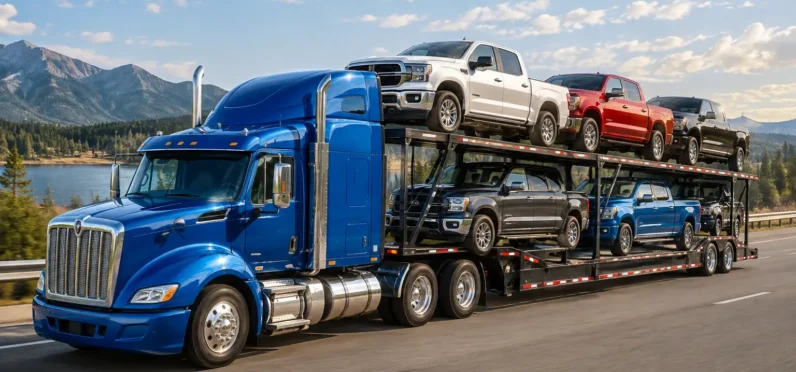
A pickup truck is not just a larger car. Its height, weight, bed configuration, lift kit, and accessories can all affect which trailer can carry it and what the shipment will cost. The best ways to ship pickup trucks start with matching the truck to the right transport service, then preparing it carefully so pickup and delivery stay on schedule.
For most owners, hiring a professional auto carrier is safer, faster, and more practical than putting hundreds or thousands of miles on the truck yourself. Whether you are relocating from Texas to Florida, buying a truck from an out-of-state seller, or sending a vehicle to a seasonal home, a clear shipping plan protects both your time and your vehicle.
Best Ways to Ship Pickup Trucks: Start With the Right Carrier
Open-carrier transport is the most common and affordable option for pickup trucks. Your truck travels on a multi-vehicle trailer, usually alongside sedans, SUVs, and other light-duty vehicles. These trailers operate on major routes every day, which often makes scheduling easier and keeps pricing reasonable.
For a standard stock pickup, open transport is usually the right choice. The truck is secured with approved tie-down equipment and is covered by the carrier’s cargo insurance while it is in the driver’s care. Because the trailer is open to the elements, the truck may arrive with road dust or weather-related dirt, but it should not be exposed to anything it would not encounter while being driven on public roads.
Enclosed transport places the truck inside a covered trailer. It costs more because enclosed equipment has limited capacity and is less widely available, but it adds protection from weather, road debris, and public visibility. This option makes sense for restored classics, high-value luxury trucks, show vehicles, or custom builds with paintwork and accessories that deserve extra protection.
The right choice depends on the truck’s value, condition, route, and your comfort level. Paying for enclosed shipping may be worthwhile for a fully restored vintage pickup. For a dependable late-model work truck moving across several states, open transport can provide safe, secure service at a lower price.
Confirm That Your Pickup Fits the Equipment
Before accepting a quote, provide accurate vehicle details. A carrier needs more than the year, make, and model to determine whether the truck fits safely on a trailer. Let the shipping coordinator know if it is a crew cab, long-bed model, dually, lifted truck, or fitted with oversized tires.
Height matters especially. A stock pickup will fit on most standard auto transport trailers, but a lift kit, roof rack, light bar, or camper shell can create clearance issues. Long-wheelbase trucks may also require a particular trailer position. A dually can take up more width than a standard truck, limiting placement options and increasing the rate.
Be upfront about non-running conditions, too. A truck that does not start, steer, or brake normally requires a carrier with loading equipment such as a winch. It can still be shipped, but the carrier must know before dispatch. Surprises at pickup can lead to delays, revised pricing, or an inability to load the truck safely.
Get a Quote Based on the Shipment You Actually Need
Auto transport pricing is not a flat mileage calculation. The route is a major factor, but so are vehicle size, operating condition, transport type, season, fuel costs, and how easily a carrier can access the pickup and delivery locations. Flexible scheduling generally creates more carrier options than a narrow pickup window.
When comparing offers, look beyond the lowest number. A trustworthy quote should identify the transport type, the expected pickup window, the payment process, and whether the carrier has been assigned. A very low estimate can be difficult to fulfill if it does not reflect current carrier availability on your route.
Ask practical questions before you book. Confirm whether the quoted price includes the full transport cost, when a deposit is charged, how the remaining balance is paid, and how you will receive updates. You should also understand what cargo insurance is in place while the vehicle is being transported and what documentation is required if damage is found.
A brokerage and coordination service can make this process less confusing by gathering your shipment details, presenting carrier options, and managing communication from dispatch through delivery. USA Auto Shipping coordinates qualified, licensed carrier options and keeps customers informed as their shipment moves forward.
Prepare the Truck for Pickup
Preparation is one of the simplest ways to avoid preventable problems. Clean the exterior enough to make existing dings, scratches, and paint chips visible. Then take clear, date-stamped photos from all sides, including the roof, wheels, bumpers, bed, and any custom equipment. Photograph the odometer and note the fuel level as well.
Remove personal belongings from the cab and bed. Carriers are transporting the vehicle, not household goods, and loose items can shift or be damaged in transit. Personal property is generally not covered under the carrier’s cargo insurance. Toolboxes, tonneau covers, bed liners, and permanently mounted accessories should be disclosed so the carrier understands the truck’s dimensions and condition.
Keep the fuel tank at roughly one-quarter full. That is enough for loading and unloading without adding unnecessary weight. Check the battery, tire pressure, fluid levels, and parking brake. If the truck has an alarm, disable it or provide clear instructions for handling it. Fold in mirrors when possible and secure or remove loose exterior accessories.
If your driveway is narrow, low-clearance, or restricted for large trucks, arrange a nearby meeting point with room for the transporter to maneuver. A wide parking lot near your home, workplace, or a shopping center is often a practical solution. Door-to-door service means the carrier gets as close to your addresses as safely and legally possible, not that a large trailer can always enter every residential street.
Use the Pickup Inspection to Protect Yourself
At pickup, the driver will typically inspect the truck and record its condition on a bill of lading or vehicle condition report. Walk around the truck with the driver. Make sure pre-existing damage is documented before the truck is loaded, and keep a copy of the paperwork along with your photos.
This inspection is not a formality. It creates the baseline for the delivery inspection. If you are unable to be present, designate a trusted adult who understands the truck’s condition and can sign the paperwork on your behalf.
Ask for the driver’s contact information and confirm the expected delivery range. Exact arrival times can change because drivers must account for traffic, weather, loading delays, inspection requirements, and federal hours-of-service rules. A reliable coordinator will communicate changes rather than leave you guessing.
Plan for Delivery Before the Truck Arrives
Have someone available to receive the truck, inspect it, and make any required final payment. The delivery inspection should happen before you sign the final paperwork. Compare the pickup condition report with the truck’s current condition, check the areas visible in your photos, and note any new concern directly on the bill of lading before the driver leaves.
Most shipments arrive without incident, but documenting a concern immediately matters. Take photos, keep all paperwork, and notify your transport coordinator promptly so the proper claims process can be explained. Do not rely on a verbal promise to address an issue later.
Timing also deserves realistic expectations. Cross-country transport commonly takes several days to more than a week after pickup, while regional routes may be shorter. Pickup dates are usually windows rather than guaranteed appointment times because the carrier is collecting and delivering multiple vehicles on a route. Booking early gives you more flexibility, particularly during summer moves, winter weather periods, and high-demand snowbird seasons.
A pickup truck can handle a lot, but that does not mean it needs to absorb a long-distance road trip before starting its next job, move, or adventure. Choose a carrier arrangement that fits its size and condition, document every handoff, and give the transport team accurate details from the start. That preparation turns a complicated vehicle move into a controlled, well-communicated delivery.