

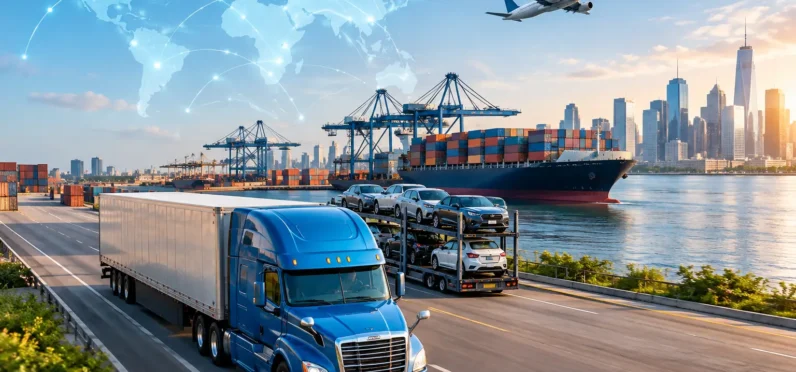
A vehicle shipment used to feel like a simple handoff: schedule a truck, meet the driver, and wait for delivery. The future of vehicle logistics will make the process more visible, data-driven, and tailored to the type of vehicle being moved. For customers, that should mean fewer unanswered questions between pickup and delivery. It will not mean that weather, traffic, mechanical issues, and carrier availability disappear. It means those factors can be communicated and managed more clearly.
For anyone relocating, purchasing a vehicle from another state, or sending a car to a seasonal home, the biggest change is likely to be better coordination. The auto transport industry is built around real people, real trucks, and routes that shift with demand. Technology can improve the experience, but dependable service will still come down to choosing the right carrier and having a coordinator who stays involved from dispatch through final inspection.
The Future of Vehicle Logistics Starts With Better Visibility
Customers increasingly expect shipment updates that match the visibility they receive from other major deliveries. A vehicle is different from a package, however. Pickup and delivery times depend on a carrier’s route, available loading space, traffic conditions, customer availability, and federal driving-hour requirements.
The next generation of vehicle tracking will give customers more useful information than a generic status update. Location sharing, estimated arrival windows, digital pickup records, and delivery notifications can help customers plan around a shipment rather than spend days wondering when the driver will call. The best updates will be practical: confirmation that a carrier has been assigned, notice before pickup, communication during transit, and advance notice before delivery.
There is a trade-off. A map dot does not always tell the full story. A carrier may be close by but still need to complete other scheduled pickups or deliveries before arriving. Clear communication matters more than promising an exact time too early. Customers should look for a shipping process that explains what each status means and provides a real point of contact when plans change.
Smarter Matching Will Improve Carrier Selection
Vehicle logistics is becoming more precise at the dispatch stage. Instead of treating every shipment as the same, better systems can match a vehicle’s route, size, condition, timing, and transport requirements with appropriate carrier options.
That matters because a compact sedan traveling from Florida to Texas is not the same shipment as a non-running SUV, a lifted truck, or a collector vehicle needing enclosed transport. Each move has different loading needs, price factors, and carrier qualifications. Improved dispatch technology can help coordinators identify which carriers are positioned to serve a route and which equipment is best suited for the vehicle.
For customers, smarter matching should make quotes easier to understand. The lowest estimate is not always the best option if it does not reflect vehicle size, a difficult pickup location, a short delivery window, or specialized handling. A useful quote should account for the details that affect the move before a carrier is dispatched.
Carrier screening will remain essential. Technology can organize carrier information, but it cannot replace careful verification of licensing, operating authority, insurance documentation, safety practices, and experience with the type of vehicle being shipped. A trusted transport coordinator helps turn those back-end details into a straightforward decision for the customer.
Electric Vehicles Will Change Transport Planning
Electric vehicle ownership is growing, and that will affect the future of vehicle logistics in practical ways. EVs often weigh more than similar gas-powered vehicles because of their battery packs. That added weight can influence how many vehicles a carrier can safely load and may affect pricing on certain routes.
Battery charge levels also require attention. Carriers commonly need a vehicle to be operable for loading and unloading, but a fully charged EV is not always necessary or preferred. Customers should follow the shipping coordinator’s instructions on charge level, alarm settings, key access, and any manufacturer-specific transport guidance.
Damaged or inoperable electric vehicles may require specialized handling. This is one area where customers should share accurate details before booking instead of assuming every carrier can manage the same situation. Clear disclosure protects the vehicle, the driver, and the schedule.
As the market changes, more carriers will gain experience moving EVs. Still, availability may vary by route and by the vehicle’s condition. Planning ahead will be especially helpful for high-value EVs, modified vehicles, and shipments that require enclosed transport.
Digital Documents Will Make Pickup and Delivery Clearer
The bill of lading is one of the most important documents in auto transport. It records the vehicle’s condition at pickup and is used again at delivery. Digital inspection tools are likely to make this process more consistent, with timestamped photos, electronic signatures, and condition reports that can be shared quickly.
That is good news for customers, but it does not eliminate the need for a careful walk-around. Before the vehicle is loaded, remove personal belongings when required, take your own photos, note existing damage, and make sure the pickup inspection reflects the vehicle’s condition. At delivery, inspect the car before signing the final paperwork whenever possible.
Digital records are most helpful when they support an attentive process, not when they rush it. A driver and customer who take a few minutes to review the vehicle carefully can prevent confusion later.
The Future of Vehicle Logistics Will Still Depend on Capacity
Technology cannot create truck space when demand rises. Seasonal moves, snowbird routes, military relocation periods, dealer inventory needs, and popular cross-country lanes can all affect carrier availability. Routes connecting large markets such as New York, Florida, California, and Texas often have more carrier activity, but that does not guarantee immediate pickup at every time of year.
The future may bring better forecasting, allowing dispatch teams to anticipate demand and advise customers earlier. That can lead to more realistic pickup windows and fewer last-minute surprises. It may also make flexible scheduling more valuable. A customer who can offer a pickup range of several days usually has more carrier options than someone who needs collection at a precise hour.
Price will continue to move with market conditions. Fuel costs, route demand, distance, vehicle dimensions, transport type, and timing all influence a shipping rate. Open transport will remain the practical choice for many standard vehicles, while enclosed transport will continue to serve customers who want additional protection from road exposure for luxury, exotic, or classic vehicles.
Automation Will Support People, Not Replace Them
Artificial intelligence and automation can help organize quotes, predict transit ranges, identify route patterns, and send timely status notifications. Those improvements can reduce repetitive work and help customers receive answers faster.
But auto shipping has too many real-world variables for a completely hands-off experience. A customer may need to adjust a pickup location because a residential street cannot accommodate a large carrier. A driver may need help coordinating delivery after weather delays. A remote buyer may need someone else present for the inspection. These moments require judgment, communication, and accountability.
That is why the strongest shipping experience will combine useful technology with human coordination. At USA Auto Shipping, the goal is not to make customers navigate carrier dispatch alone. It is to make each step easier to understand, from reviewing carrier options to preparing for pickup, tracking the move, and inspecting the vehicle at delivery.
How Customers Can Prepare for What Comes Next
Customers do not need to become logistics experts to benefit from these changes. They do need to provide accurate shipment details early. Vehicle make, model, condition, modifications, pickup and delivery locations, timing needs, and preferred transport type all help determine the right plan.
It also helps to ask practical questions before committing. What pickup window is realistic? Is the carrier equipped for this vehicle? How will updates be provided? What should be documented at pickup and delivery? When is payment due? Clear answers create the peace of mind customers want before handing over their keys.
The future will bring more data, better tracking, and smarter dispatch decisions. The customer benefit is not technology for its own sake. It is a vehicle move that feels organized, safe, and manageable from the first estimate to the final delivery inspection.