

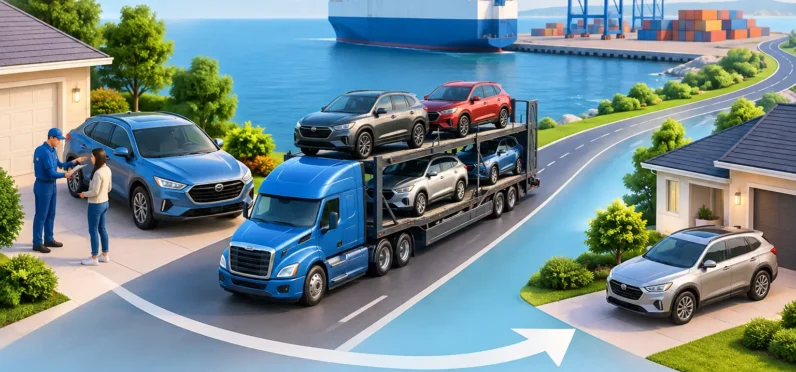
A cross-country drive can turn a move, a vehicle purchase, or a military relocation into a long and expensive detour. Car shipping gives you another option: place your vehicle with a qualified carrier while you focus on getting yourself, your family, or your business where it needs to be. The key is knowing what happens before pickup, while the vehicle is in transit, and when it arrives.
For most customers, the concern is not simply getting a car from one state to another. It is trusting the people handling it, understanding the price, and avoiding last-minute surprises. A clear transport process turns a complicated logistics decision into a manageable plan.
How Car Shipping Works
Auto transport is coordinated in stages. First, you provide the vehicle details, pickup and delivery locations, preferred timing, and the type of service you need. Those details are used to identify available carrier options and establish an estimated transport price.
Once you agree to move forward, a carrier must accept the shipment. Pickup timing is then coordinated based on the carrier’s route, truck capacity, and legal driving limits. This is why exact same-day pickup is not always realistic, especially for long-distance or rural routes. A pickup window gives the carrier room to build an efficient route while giving you a reasonable expectation for when to be ready.
At pickup, the driver inspects the vehicle and records its visible condition on a bill of lading. You receive a copy of this document, which matters because it creates a before-transit record. The vehicle is loaded, transported, and delivered at or near the agreed destination. At delivery, you inspect it again before signing the final paperwork and paying any remaining balance under the agreed payment terms.
USA Auto Shipping helps coordinate these moving parts by gathering shipment information, matching customers with qualified carrier options, and providing communication from dispatch through delivery.
What Determines the Price of Car Shipping?
There is no single flat rate for every vehicle move. Transport pricing changes with supply, demand, equipment availability, distance, route popularity, vehicle size, and timing. A sedan moving between major cities may have more carrier availability than a large SUV moving to a remote location, even when the mileage is similar.
The pickup and delivery locations are especially influential. Carriers prefer accessible places where a large truck can safely enter, turn, and load. If your home is on a narrow street, in a restricted neighborhood, or far from a main route, the driver may suggest meeting at a nearby shopping center, truck stop, or other open location. That small adjustment can make pickup safer and more practical for everyone.
Seasonality also affects cost. Snowbird routes to and from Florida can become more competitive during peak migration periods. Severe weather, holiday traffic, fuel changes, and limited carrier capacity can all shift rates. If your dates are flexible, sharing a realistic pickup window may give you more options than requiring a narrow deadline.
Vehicle condition matters as well. An operable vehicle is generally easier and less expensive to load than one that does not start, steer, brake, or roll. Be direct about mechanical issues when requesting a quote. A carrier needs the right equipment and enough time to handle a non-running vehicle safely.
Open or enclosed transport?
Open transport is the standard choice for most cars, trucks, and SUVs. Vehicles travel on an open multi-car trailer, the same type commonly used to deliver new vehicles to dealerships. It is usually the more affordable option and has the broadest carrier availability.
Enclosed transport places the vehicle inside a covered trailer. It typically costs more, but it offers added protection from road debris and weather. Owners of classic cars, luxury vehicles, exotic cars, and vehicles with specialized finishes often choose enclosed shipping for that additional protection. Neither option is automatically right for every shipment. The best choice depends on the vehicle’s value, condition, budget, and your comfort level.
Prepare Your Vehicle Before Pickup
Preparation protects your vehicle and helps the driver complete a safe, efficient pickup. Start by washing the exterior so existing marks are easy to see during the inspection. Take clear, dated photos from every angle, including close-ups of any existing scratches, dents, or chips. Keep these photos until the move is complete.
Remove personal belongings from the vehicle unless you have received specific approval for limited items. Auto carriers are transporting vehicles, not household goods, and personal items can add weight, shift during transit, or create compliance issues. Also remove toll tags, parking passes, detachable electronics, and custom accessories that could be lost or damaged.
Keep the fuel level at about one-quarter of a tank. That is enough for loading and unloading without adding unnecessary weight. Check that the tires are properly inflated, the battery is charged, and there are no fluid leaks. If your vehicle has an alarm, lower suspension, oversized tires, modified exhaust, or special starting instructions, tell the coordinator and driver in advance.
A practical handoff also requires keys. Plan to provide the driver with a working set and make sure an authorized person is available if you cannot attend pickup yourself. The same applies at delivery. A trusted contact can receive the vehicle if they understand the inspection and payment arrangements.
Insurance, Inspections, and Peace of Mind
Customers often ask whether their vehicle is protected while it is being transported. Qualified carriers maintain cargo insurance for vehicles in their care, custody, and control. Before booking, ask how carrier insurance applies to your shipment and review the inspection process so you know what documentation to expect.
The pickup inspection and delivery inspection are your strongest tools. Do not rush either one. Compare the vehicle to the bill of lading and to the photos you took before transport. If you see a new issue, note it on the delivery paperwork before signing. Clear documentation at the time of delivery is essential if a claim needs to be reviewed.
Normal road dust on an open carrier is not damage, and delivery timing can change when weather, traffic, mechanical issues, or federally required driver rest periods affect a route. Good coordination does not mean promising conditions no one can control. It means communicating clearly when plans change and keeping you informed about what happens next.
Timing: Plan for a Window, Not a Minute
Transport schedules are built around routes, not appointments in the way a local service call might be. A carrier may collect several vehicles before heading toward the delivery region, and delivery order can depend on route efficiency, customer locations, and safe truck access.
For a long-distance move, avoid booking your flight, closing, or travel plans around an assumed exact delivery hour. Give yourself a buffer, particularly when moving during busy seasons or shipping to a rural area. If you have a hard deadline, state it at the start. Your coordinator can assess whether the timing is realistic and what service options may be available.
Communication makes this easier. You should know when a carrier has been assigned, receive advance notice as pickup approaches, and stay in touch as delivery nears. Tracking and regular status updates help replace guesswork with useful information.
Questions to Ask Before You Book
A trustworthy car shipping experience begins with direct questions. Ask whether the company is coordinating the move as a broker or operating the truck itself, how the carrier is selected, what insurance coverage applies, and how payment is structured. You should also understand the cancellation policy, the expected pickup window, and whether the quoted price accounts for your vehicle’s actual size and condition.
Be cautious with a quote that seems dramatically lower than every other option. The lowest initial number may not reflect current carrier market conditions, special vehicle needs, or a difficult route. Affordable transport should still be based on a realistic rate that can attract a qualified carrier.
For many shipments, the deposit is charged only after a carrier accepts the job, with the remaining balance due at delivery. Confirm the accepted payment methods and timing before dispatch so there is no confusion at the end of the move.
Make the Handoff Easier
Car shipping works best when the details are accurate from the beginning. Share the correct addresses, the vehicle’s true condition, accessible contact numbers, and any date restrictions. Choose open or enclosed service based on the protection you need, not just the first price you see. Then give the carrier enough room to do what professional transport requires: inspect, load, secure, and deliver your vehicle safely.
A well-coordinated shipment lets you skip the miles without giving up control. With clear expectations, thorough inspection records, and consistent updates, your vehicle can arrive ready for the next part of your move.