

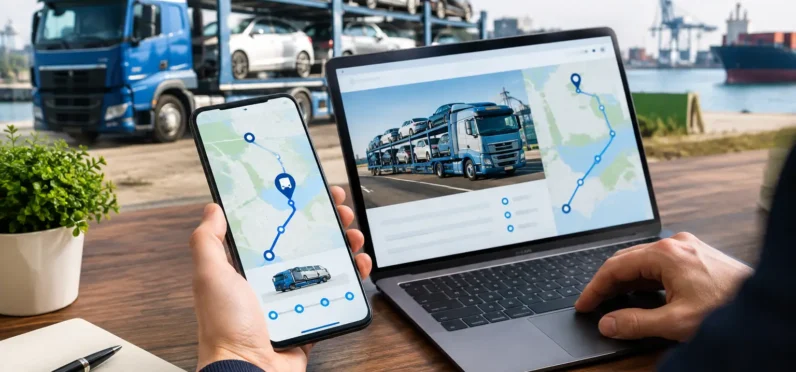
A cross-country vehicle move can feel uncertain once your keys leave your hands. Knowing how to track vehicle transport shipment status gives you a clearer picture of what is happening, what updates to expect, and when your vehicle is likely to arrive. The goal is not to watch a dot move across a map every minute. It is to have reliable communication from carrier assignment through final delivery.
What Shipment Tracking Means in Auto Transport
Vehicle shipping does not work exactly like parcel delivery. A carrier may be transporting several vehicles on one route, managing pickup appointments, traffic, weather, inspections, and delivery access along the way. Because of that, tracking is usually a coordinated update process rather than a consumer app with a fixed, minute-by-minute arrival time.
A good transport coordinator keeps you informed at the points that matter most: when a carrier accepts the shipment, when pickup is scheduled, when your vehicle is loaded, when the driver is nearing delivery, and when the vehicle is delivered. You should also receive a driver or dispatch contact process once the shipment is assigned, so you know who to contact if a time-sensitive question comes up.
The most useful tracking updates answer three practical questions: Has a carrier been assigned? Has the vehicle been picked up? What is the current estimated delivery window? Those answers help you plan travel, coordinate a family member or dealership representative, and avoid waiting at an empty driveway all day.
The Tracking Timeline From Booking to Delivery
Carrier acceptance starts the active shipment process
After you review transport options and agree to move forward, the shipment is made available to qualified carriers in the network. It is not fully dispatched until a carrier accepts the job. This is an important distinction because an estimate or booking request is not the same as a confirmed pickup.
Once a carrier accepts, you should receive the carrier details and a pickup window. At USA Auto Shipping, the deposit is charged after a carrier accepts the shipment, not simply when you request a quote. That structure helps connect payment timing to an actual carrier assignment.
At this point, confirm the pickup address, the best phone number for day-of coordination, and whether the vehicle is operable. If your street cannot safely accommodate a large transport truck, arrange a nearby meeting location such as a wide retail parking lot or another accessible area approved by the driver.
Pickup updates are more valuable than a vague calendar date
Most auto carriers work with pickup windows rather than a guaranteed hour days in advance. Routes change as drivers complete earlier deliveries, pick up other vehicles, and respond to traffic or weather conditions. A coordinator should provide updates as the pickup day gets closer, while the driver typically calls ahead before arriving.
When the truck arrives, inspect your vehicle with the driver. Existing scratches, dents, wheel damage, and other visible conditions should be recorded on the bill of lading, which is the pickup inspection document. Take clear, date-stamped photos from several angles before the vehicle is loaded. This gives you a useful record and makes the delivery inspection easier.
Do not hand over the vehicle until you understand the pickup paperwork and have removed personal belongings that are not approved for transport. Carrier rules on personal items vary, and extra weight can affect compliance and routing. Your vehicle should generally have a modest amount of fuel, be free of major leaks, and have any special starting or operating instructions communicated to the driver.
In-transit tracking follows the carrier’s real route
Once loaded, your vehicle is in transit. This is when customers often expect a precise delivery date, but delivery timing can still shift. A driver may need to complete scheduled drops before reaching your location, comply with federal driving-hour rules, or take a different route around severe weather.
That does not mean you should be left guessing. Your transport coordinator should be able to request a current status from dispatch and provide an updated estimated delivery range. If you are shipping to a busy metro area such as Los Angeles, Miami, Dallas, or New York, delivery logistics may also depend on where a large carrier can legally and safely meet you.
For many shipments, one meaningful update per day or at key route milestones is more useful than frequent messages with no new information. If the estimated delivery window changes, ask what caused the change and what the revised plan is. Clear answers matter more than overly optimistic promises.
How to Get Better Vehicle Transport Tracking Updates
Accurate tracking begins with accurate information from the customer. Provide complete pickup and delivery addresses, alternate contact numbers, vehicle dimensions if it has been modified, and any access restrictions such as gated communities or low-hanging trees. Let your coordinator know right away if your schedule changes.
Stay reachable during the pickup and delivery windows. Drivers are operating on tight schedules and may have limited ability to wait if calls go unanswered. If you cannot be present, authorize a trusted adult to release or receive the vehicle and make sure that person understands the inspection process and payment instructions.
It also helps to ask for updates at the right time. Contact your coordinator if the pickup window is approaching without a driver call, if you have received conflicting information, or if you need to make a delivery-access change. During active transit, ask for the current estimated delivery range rather than demanding an exact arrival hour too early in the route.
Use the same contact channel whenever possible. A single communication thread reduces the risk that a schedule change is missed between the customer, broker, dispatch office, and driver.
What Can Affect Your Delivery Estimate
An estimated delivery date is based on distance, route conditions, the carrier’s load plan, and the time required for pickups and deliveries. Open carriers often serve multiple customers on a route, which can make them a more affordable choice but may create a broader timing range. Enclosed transport may be the right choice for a classic, luxury, or exotic vehicle, though specialized equipment and smaller carrier availability can affect scheduling.
Several factors can change a route after pickup:
- Severe weather, road closures, and traffic delays
- Required driver rest periods and safety regulations
- Delays at earlier pickup or delivery appointments
- Mechanical issues affecting the carrier or another vehicle on the load
- Delivery locations with limited truck access
These are not excuses for poor communication. They are realities of long-distance transportation that a professional coordinator should explain promptly. The best tracking experience pairs realistic expectations with proactive updates when the plan changes.
Delivery Day: The Final Status Update That Matters
Your shipment is not complete when the truck enters your city. It is complete when you inspect the vehicle, sign the delivery paperwork, and take possession of it. The driver should contact you as delivery approaches so you can confirm the meeting location and be ready at the agreed time.
Before signing the final bill of lading, inspect the vehicle carefully in daylight when possible. Compare its condition with the pickup record and your photos. Check the exterior, wheels, mirrors, glass, and any areas noted at pickup. If you see new damage, note it clearly on the delivery paperwork before signing and take photos. Ask your coordinator for the proper next steps for documenting a potential claim under the carrier’s cargo insurance.
Have the remaining balance ready in the payment form agreed upon during booking. Payment expectations should never be a surprise on delivery day. If another person is receiving the vehicle, confirm that they have both the authority and the payment information needed to finish the handoff.
A Better Way to Think About Tracking
The right way to track a vehicle transport shipment is to focus on verified milestones, not false precision. Carrier assignment tells you the move is real. Pickup inspection confirms the vehicle is in the driver’s care. In-transit updates keep you informed of the route and delivery range. A careful final inspection protects you at the finish line.
Your coordinator should make each of those steps easier to understand, especially when timing changes. Keep your phone available, document your vehicle at both ends of the trip, and ask direct questions when an update affects your plans. That preparation turns vehicle shipping from a waiting game into a managed process.