

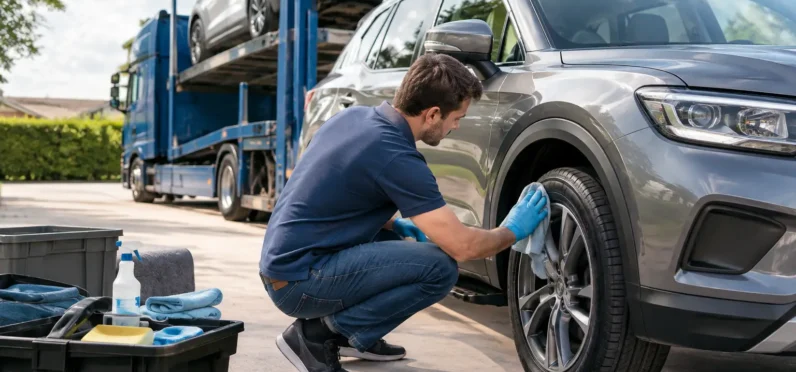
The carrier is scheduled, the pickup window is approaching, and your vehicle is about to begin a journey you do not have to drive yourself. Knowing how to prepare vehicle pickup turns that handoff into a quick, confident part of the shipping process. A few practical steps protect your vehicle, help the carrier load it safely, and make the condition inspection clear from the start.
Vehicle pickup is not just about handing over the keys. It is the point where the carrier verifies the vehicle, records its condition, confirms pickup details, and prepares it for transport. Whether you are moving from New York to Florida, buying a vehicle from another state, or sending a car to a family member, preparation helps avoid preventable delays.
How to Prepare Vehicle Pickup Step by Step
Start preparing a few days before the scheduled pickup window, not the morning the truck arrives. That gives you time to solve small issues, such as a low battery, misplaced spare key, or a pickup address that is too tight for a large transport truck.
Your transport coordinator should communicate the expected pickup timeframe and, once assigned, the carrier details. Pickup times can require flexibility because drivers manage loading appointments, traffic, weather, required rest periods, and other vehicles on their route. Keep your phone on, respond promptly to calls or texts, and make sure the driver has the best contact number for you or your designated pickup representative.
Clean the exterior enough for a fair inspection
A basic wash is one of the most useful things you can do before shipping. The goal is not showroom detailing. It is making scratches, dents, paint chips, cracked glass, and other existing damage easy to see during the inspection.
A dirty vehicle can hide marks that matter later. If rain or road conditions make a wash impractical, take well-lit photos and videos from several angles before pickup. Capture the front, rear, both sides, roof, wheels, windshield, and any pre-existing damage. Close-up photos are helpful, but include wider shots that show where the damage sits on the vehicle.
Document the vehicle condition before loading
At pickup, the driver will generally complete a vehicle condition report, often called a bill of lading. This document records the vehicle’s condition before transport and is used again at delivery. Review it carefully before signing.
Walk around the car with the driver or your authorized representative. Point out anything that should be marked, including dents, bumper scuffs, hail damage, cracked mirrors, and mechanical issues that affect loading. Do not rush this step simply because the driver has additional pickups to complete. A clear, accurate report protects everyone involved.
Keep a copy of the signed pickup paperwork and your pre-shipment photos until after delivery and final inspection. If someone else will release the vehicle, send them the photos and explain what to check before they sign.
Remove personal belongings and valuables
Auto carriers are transporting vehicles, not household goods. Remove personal belongings, valuables, documents, toll passes, garage remotes, loose electronics, and anything that could shift during transport. This includes items in the trunk, center console, door pockets, glove compartment, and under seats.
There is a practical reason beyond security. Extra weight can affect loading and may create carrier restrictions, especially with open transport. Personal property is also not handled the same way as the vehicle itself under carrier cargo coverage. If you have questions about an item you hope to leave in the car, ask before pickup rather than assuming it is permitted.
Do not leave prescription medications, financial paperwork, firearms, jewelry, or irreplaceable items in the vehicle. Take out your parking pass or toll transponder as well, since these devices can create unexpected charges while the vehicle is being moved.
Leave enough fuel, but not a full tank
Keep roughly one-quarter tank of fuel in the vehicle. That is usually enough for the driver to load and unload it without carrying unnecessary weight. A full tank adds weight, while an almost-empty tank can create trouble if the vehicle needs to be repositioned.
For electric vehicles, confirm the preferred charge level with your coordinator or carrier. A moderate charge is commonly appropriate, but needs can vary by vehicle and route. Make sure the charging cable is removed unless the carrier has specifically asked for it.
Check the vehicle’s basic operating condition
Most vehicles can be shipped on an open or enclosed carrier as long as the carrier knows their condition in advance. If your vehicle does not start, has weak brakes, leaks fluids, has a flat tire, or has very low ground clearance, disclose it early. Inoperable vehicles can often still be transported, but they may require a winch, special loading plan, or different equipment.
Before pickup, inflate tires to a safe pressure, secure or retract antennas where possible, fold in mirrors if appropriate, and make sure the battery has enough charge to start the vehicle. Disable or clearly explain any aftermarket alarm, immobilizer, tracking system, or unusual starting procedure. A driver should not have to guess how to put the vehicle in neutral or turn off an alarm while loading.
If your vehicle has custom modifications, oversized tires, roof racks, spoilers, or a lowered suspension, mention them during booking and remind the driver at pickup. Those details can influence carrier selection and loading position.
Prepare the Pickup Location for the Carrier
A multi-car transport truck is much larger than a standard delivery van. Many residential streets, apartment complexes, gated communities, downtown areas, and cul-de-sacs do not provide enough room for safe access, turning, or loading.
Talk with the driver when they call ahead. If the original address is difficult for a large truck, agree on a nearby open location such as a shopping center lot, wide street, truck stop, or another safe meeting point. This is common and does not mean door-to-door service has failed. Door-to-door transport means the carrier gets as close to your requested address as conditions safely allow.
Choose a meeting location with room to inspect the vehicle in daylight when possible. Avoid areas with low branches, tight parking lanes, steep grades, or heavy traffic. If you live in a busy part of Miami, Los Angeles, Newark, or another dense market, a nearby accessible lot can make pickup faster and safer for everyone.
Have the Right Person, Keys, and Paperwork Ready
The person releasing the vehicle must be available during the agreed pickup timeframe or must appoint a trusted adult representative. That person should be able to speak with the driver, inspect the vehicle, sign the pickup condition report, and provide the keys.
Prepare at least one working set of keys. A spare is useful if available, particularly for vehicles with specialized fobs or older ignition keys. Remove extra key rings, house keys, and personal keychains before handing them over.
In most standard domestic shipments, the carrier does not need the vehicle title to transport the car. However, the vehicle must be legally eligible for transport, and ownership or authorization questions should be resolved before scheduling. For a dealer purchase, auction vehicle, leased vehicle, or shipment involving another party, confirm who is authorized to release and receive it.
Keep your booking information, pickup address, delivery address, and emergency contact details available. If a balance is due at delivery, make sure the receiving party understands the accepted payment method before the vehicle arrives. Clear expectations at both ends prevent last-minute confusion.
What to Expect When the Driver Arrives
The driver will verify the vehicle, inspect it with you, document visible condition, and load it onto the carrier. Loading can take time, especially when the driver is arranging several vehicles on a trailer. Follow the driver’s safety instructions and keep children, pets, and bystanders away from the loading area.
After loading, confirm the destination details and keep your copy of the bill of lading. Your coordinator can help you stay informed during transit, while the driver may communicate directly as delivery approaches. Delivery timing is an estimate influenced by route conditions, weather, traffic, and other scheduled stops, so remain reachable as the vehicle nears its destination.
At delivery, inspect the vehicle again before signing the final paperwork. Compare its condition with the pickup report and photos, note any concerns directly on the bill of lading, and raise questions promptly.
A prepared pickup does more than save a few minutes at the curb. It gives you a documented starting point, helps the carrier do the job safely, and lets you hand over your vehicle with the peace of mind that every important detail has been addressed.