

A cross-country drive can mean several days off work, hotel bills, fuel stops, and wear on your vehicle. A car shipping cost calculator gives you a faster starting point: an estimate based on your route, vehicle, timing, and preferred transport type. The number is useful, but the real value is knowing what can change it before you book.
Auto transport pricing is not one flat nationwide rate. A compact sedan moving between two major cities may be easier for a carrier to load than a large SUV headed to a rural address on a tight deadline. When you understand the moving parts behind an estimate, you can compare options confidently and choose the service that fits your vehicle and schedule.
What a Car Shipping Cost Calculator Uses to Build an Estimate
A calculator starts with the details that carriers use to decide whether a shipment fits their route, trailer space, and available pickup window. The more accurate those details are, the more useful your estimate will be.
Your pickup and delivery locations matter first. Shipping between well-traveled metro areas, such as Dallas and Los Angeles or New York and Florida, can be more efficient because carriers regularly run those lanes. Remote locations may require additional miles off the main route, which can affect the price and pickup timing. Door-to-door service still offers the most convenience, although large carriers may need to meet on a nearby wide street, parking lot, or other safe location if neighborhood access is limited.
Vehicle size and condition also matter. A full-size truck or large SUV takes more trailer space and adds weight, so it usually costs more to ship than a smaller car. An inoperable vehicle can be transported, but it needs special loading equipment and must be identified when requesting a quote. A vehicle that runs, brakes, and steers can usually be loaded more easily.
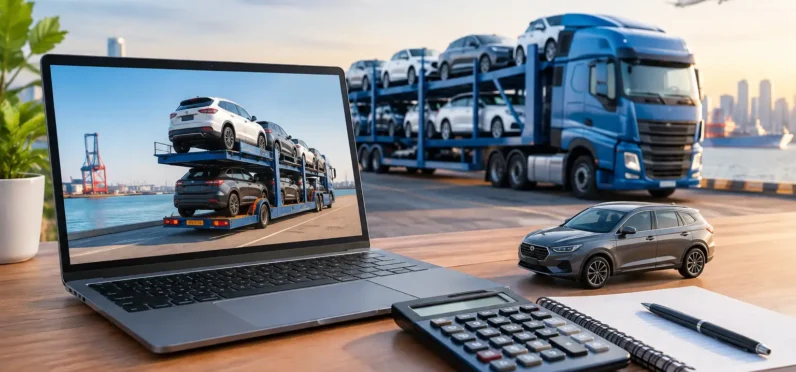
The calculator will also consider whether you need open or enclosed transport. Open-carrier shipping is the standard, affordable choice for most daily drivers. Your vehicle travels on a multi-car trailer, the same type commonly seen delivering new vehicles to dealerships. Enclosed transport costs more because the vehicle is protected from road debris and weather inside a covered trailer. It is often the right fit for classics, exotics, luxury vehicles, or owners who want the highest level of exterior protection.
Why the First Estimate Can Change
An estimate is a market-based starting point, not a promise that every carrier will accept the shipment at that exact amount. Carrier availability changes by lane, season, fuel costs, and how quickly a vehicle needs to move. That is why a low number without clear expectations can create problems later.
The biggest variable is usually timing. If you have flexibility around pickup dates, carriers have more opportunities to include your vehicle on an existing route. If you need expedited pickup, the carrier may need a higher rate to prioritize the load or adjust a route. Snowbird season is another common example. Demand often rises for routes between northern states and Florida in the fall and spring, which can affect both pricing and scheduling.
Fuel prices influence transport costs, but they are not the only factor. Driver availability, trailer capacity, traffic patterns, weather, and demand at each end of the route all shape carrier offers. A quote should make room for these real-world conditions instead of pretending every shipment is identical.
Price can also change when the shipment details do not match the vehicle at pickup. A quote for a running sedan will not accurately cover a lifted pickup with oversized tires, or a vehicle that cannot be driven onto the trailer. Be upfront about modifications, non-running condition, and any special handling needs. Clear information protects your schedule as much as it protects your budget.
How to Use a Car Shipping Cost Calculator Well
Use the calculator before you make firm travel plans, but do not treat it as the only decision point. Start by entering your actual addresses or ZIP codes, the correct year, make, and model, and a realistic pickup window. If you have not chosen a delivery address yet, use the most likely destination and let the coordinator know if the plan changes.
Next, compare the transport type against the value and purpose of your vehicle. For a family SUV moving for a new job, open shipping is usually the practical choice. For a collector car with a custom finish, enclosed transport may provide worthwhile peace of mind. The least expensive option is not always the best value if it does not meet your timing or protection needs.
Ask what is included in the estimate and what could cause a change. A reliable quote conversation should address pickup availability, expected transit timing, carrier type, vehicle condition, and payment expectations. It should also explain that the carrier performs a condition inspection at pickup and delivery. This paperwork, often called a bill of lading, gives you a clear record of the vehicle’s condition before it begins transport.
At USA Auto Shipping, the process is designed to make these decisions easier to follow. After shipment details are reviewed, carrier options can be coordinated, the vehicle can be dispatched, and updates continue through delivery. A deposit is charged after a carrier accepts the shipment, while the remaining balance is paid at delivery. Knowing when payment happens helps avoid one of the most common sources of confusion for first-time shippers.
Ways to Keep Your Shipping Price Reasonable
The best way to manage cost is to give the carrier flexibility without compromising your actual needs. A wider pickup window can reduce pressure on the dispatch process. Booking before a major move date also gives more time to find a carrier traveling your route instead of requiring a last-minute solution.
Choose accessible pickup and delivery locations when possible. A carrier may not be able to navigate low branches, narrow streets, tight turns, or restricted residential roads. Meeting at a nearby shopping center or truck-friendly lot can prevent delays and may make the shipment easier to price. This is not a reduction in service. It is a practical adjustment that keeps the truck and your vehicle safe.
Prepare the car before pickup. Remove personal belongings, secure or remove loose exterior accessories, keep the fuel level around one-quarter tank, and take dated photos from several angles. Personal items are generally not covered under carrier cargo insurance, and excess weight can create loading concerns. Preparation also makes the pickup inspection quicker and more accurate.
Do not choose a quote only because it is the lowest number. An unusually low offer may not attract a carrier quickly, especially on a busy route or during a high-demand season. The better question is whether the price is realistic for your lane, vehicle, timing, and service level. A transparent estimate and regular communication can save you from avoidable delays.
Questions Worth Asking Before You Book
A cost calculator should lead to a conversation, not replace one. Before agreeing to transport, ask whether the vehicle will travel on an open or enclosed carrier, what pickup window is expected, and how delivery timing will be communicated. Confirm the vehicle’s operating condition and make sure the company has your best contact number for driver coordination.
You should also understand insurance coverage while the vehicle is in the carrier’s care. Ask for clear information about the carrier’s cargo coverage and the inspection process if damage is found at delivery. No transport service can remove every risk from the road, but a documented pickup and delivery process gives you a clear path forward if an issue needs attention.
Finally, ask how the payment is structured. Knowing the deposit amount, when it is charged, and how the remaining balance is collected prevents surprises on delivery day. A professional coordinator will explain these steps plainly rather than leaving you to sort through dispatch terms on your own.
A car shipping cost calculator is most helpful when it gives you a realistic starting point and the confidence to ask better questions. Share accurate vehicle details, leave reasonable room in your schedule, and select the protection level that makes sense for your car. From there, the right transport plan is not just about getting a number – it is about getting your vehicle where it needs to go safely, securely, and with clear communication along the way.