

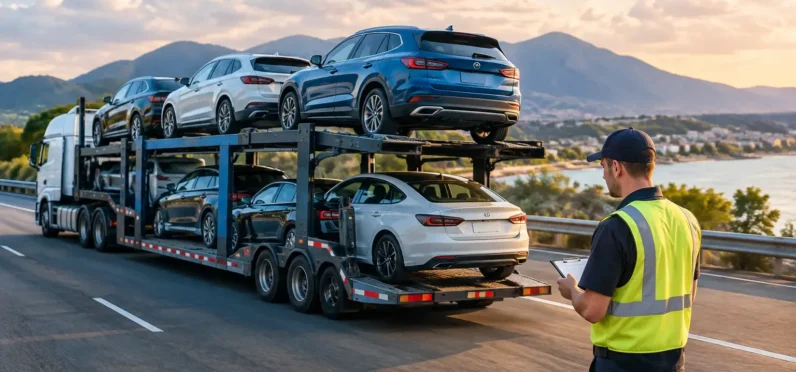
A vehicle shipment usually goes wrong before the truck arrives. The top vehicle transport mistakes tend to happen during quoting, scheduling, and pickup preparation, when a rushed decision can lead to unexpected costs, delayed pickup, or confusion about what is covered. A little planning gives you more control over the process and helps protect a vehicle you depend on.
1. Choosing a Quote Based Only on the Lowest Price
A very low quote can be tempting, especially for a cross-country move or an out-of-state vehicle purchase. But auto transport pricing is affected by route demand, vehicle size, carrier availability, season, fuel costs, and the type of trailer required. A price that is far below comparable offers may not attract a carrier quickly.
Ask what the quote includes, whether it reflects current market conditions, and how the carrier is selected. The goal is not simply to find the cheapest number. It is to secure a realistic transport option that can be dispatched on time and handled properly.
2. Booking Too Close to Your Needed Pickup Date
Carriers operate on routes, not on one-customer schedules. A driver may need flexibility to load several vehicles efficiently, particularly on less common routes or during high-demand moving periods. Waiting until the last minute reduces your options and can increase the price.
Whenever possible, begin requesting estimates one to two weeks before your preferred pickup window. For enclosed transport, classic vehicles, military moves, or peak relocation seasons, more lead time is even better. Early planning does not always mean a vehicle will be picked up immediately, but it gives your coordinator more carrier options to review.
3. Assuming Pickup and Delivery Times Are Guaranteed
Traffic, weather, mechanical issues, Department of Transportation driving-hour rules, and loading delays can affect a carrier’s timeline. Most vehicle transport schedules are estimated windows, not appointments with the precision of a local service call.
Build some flexibility into both ends of the move. If you are flying out, closing on a home, starting a new job, or meeting a buyer, arrange for a trusted contact to release or receive the vehicle if needed. That person should be able to communicate with the driver, inspect the car, and sign the required paperwork.
4. Not Understanding the Difference Between Open and Enclosed Transport
Open carriers are the standard choice for most cars, trucks, and SUVs. They are widely available and generally more affordable. Your vehicle will be secured on a multi-car trailer, but it will remain exposed to normal road and weather conditions during transit.
Enclosed transport offers added protection from the elements and greater privacy. It often makes sense for classic cars, exotic vehicles, luxury models, and cars with low ground clearance. The trade-off is higher cost and sometimes fewer available carrier options. Choosing the right service level upfront prevents disappointment after dispatch.
5. Leaving Personal Belongings in the Vehicle
A car carrier is designed to transport vehicles, not household goods. Heavy boxes, electronics, sports equipment, or other loose belongings can shift during transport, create safety concerns, and add weight beyond what the carrier agreed to haul. Personal items are also typically not covered under the carrier’s cargo coverage.
Remove valuables, documents, toll transponders, garage openers, and anything that could be damaged or stolen. If a small number of approved personal items can remain in the vehicle, confirm the weight limit and arrangement before pickup. Never assume the driver can accept a fully packed car.
6. Skipping the Pickup Inspection
The bill of lading is one of the most useful documents in auto transport. At pickup, the driver records the vehicle’s visible condition, including existing dents, scratches, chips, and other damage. You or your authorized contact should take part in this inspection rather than signing quickly and moving on.
Wash the vehicle if practical, then take clear, time-stamped photos from all sides. Photograph the roof, wheels, windshield, bumpers, and any pre-existing damage. Keep your copy of the bill of lading until delivery is complete. Good documentation protects everyone by creating a clear condition record before the vehicle enters the driver’s care.
7. Forgetting Basic Vehicle Preparation
A vehicle that cannot be safely loaded may delay the shipment. Check that the tires are properly inflated, the battery is charged, and the car has enough fuel to drive on and off the trailer. About a quarter tank is usually sufficient. More fuel adds unnecessary weight.
Tell the coordinator and carrier about non-running conditions, fluid leaks, oversized tires, lifted suspensions, low clearance, aftermarket modifications, or alarm systems. These details can affect equipment needs and pricing. If the vehicle does not run, be specific about whether it rolls, steers, and brakes. Accurate information helps the right driver arrive prepared.
8. Providing an Inaccessible Pickup or Delivery Address
Large auto transport trucks need room to turn, park, and load safely. Narrow residential streets, low branches, tight apartment entrances, cul-de-sacs, and city parking restrictions can make true curbside service impractical.
Door-to-door shipping means the carrier will get as close to your address as safely and legally possible. Sometimes that means meeting at a nearby shopping center, wide street, truck stop, or other accessible location. This is common in busy areas such as Los Angeles, Miami, and New York, where neighborhood access and parking can be limited. Discuss potential access issues before dispatch, not while the driver is waiting nearby.
9. Not Asking How Payment and Coverage Work
Payment schedules differ among transport providers, so read the booking terms before agreeing to a shipment. Know when any deposit is charged, how the remaining balance is paid, and whether the driver accepts your preferred payment method at delivery. Clear expectations prevent an awkward handoff when your vehicle arrives.
You should also understand the carrier’s cargo insurance and what to do if damage is discovered. Carrier coverage applies while the vehicle is in the driver’s care, but documentation and prompt reporting matter. Ask who will coordinate communication if there is a question during transit. USA Auto Shipping helps customers understand the quote, carrier acceptance, dispatch process, and delivery payment before the shipment moves forward.
10. Failing to Inspect the Vehicle at Delivery
Delivery can feel like the finish line, especially after a long move. Still, take a few minutes to inspect the vehicle with the driver before signing the final paperwork. Compare its condition with the pickup bill of lading and your photos. Check visible exterior panels, glass, wheels, and the areas where the vehicle was secured.
If you see new damage, document it on the delivery bill of lading before the driver leaves. Take photos and notify your transport coordinator promptly. Do not rely on a verbal conversation alone. A careful delivery inspection is the best way to preserve the information needed for a proper review.
How to Avoid Vehicle Transport Problems Before They Start
Most top vehicle transport mistakes are avoidable when the shipment is treated as a coordinated process rather than a quick online purchase. Provide complete vehicle details, use a realistic pickup window, compare more than the bottom-line price, and keep communication open through delivery.
The best shipment plan leaves room for real-world road conditions while still giving you clear expectations. With the right preparation and a trusted coordinator, handing over your keys can feel far less stressful and much more predictable.