

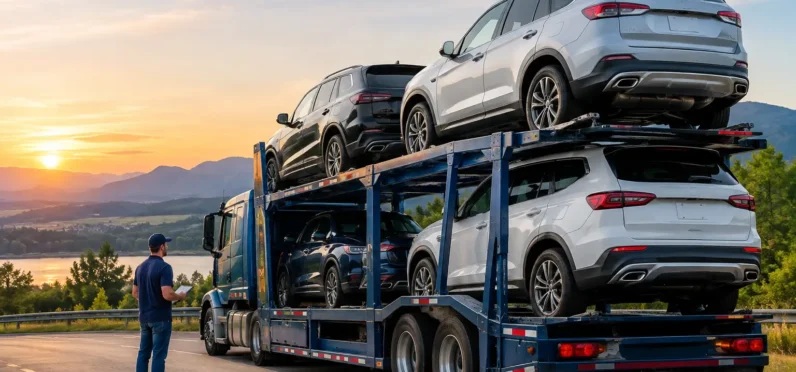
A cross-country SUV drive can mean several long days behind the wheel, fuel stops, hotel bills, weather exposure, and added mileage on a vehicle you may be relocating, selling, or protecting. The best ways to ship SUVs replace that uncertainty with a clear pickup-to-delivery plan, provided you choose the right transport type and prepare the vehicle correctly.
SUV shipping is not one-size-fits-all. A compact crossover headed from Dallas to Orlando has different needs from a lifted full-size SUV moving to California or a luxury model being sent to a new owner. The right choice comes down to your vehicle’s size, condition, value, route, schedule, and comfort level with open or enclosed transport.
Best Ways to Ship SUVs: Start With the Right Carrier Type
For most standard SUVs, open-carrier transport is the practical choice. Your vehicle rides on an open multi-car trailer, the same equipment commonly used to deliver new vehicles to dealerships. It is widely available, usually the most affordable option, and well suited to daily drivers, family SUVs, and most relocation moves.
Open transport does expose the SUV to normal road conditions, including rain, dust, and road debris. That does not mean it is unsafe. Qualified carriers secure vehicles using professional equipment and inspect them at pickup and delivery. Still, if your SUV is a high-value luxury vehicle, an antique, a collector model, or has a custom finish, enclosed transport may offer better protection.
Enclosed carriers surround the vehicle with a covered trailer, limiting exposure to weather and road grime. The added protection comes at a higher price and may require more flexibility because enclosed equipment is less common than open trailers. For a standard vehicle, the premium may not be necessary. For a rare Range Rover, restored classic SUV, or a vehicle with a sensitive custom build, it can be money well spent.
The best option is the one that matches the vehicle and the risk you want to avoid, not simply the lowest quote.
Know What Makes SUV Shipping Cost More or Less
SUVs often cost more to ship than sedans because they take up more space on a trailer and can weigh more. A three-row SUV, oversized model, or vehicle with aftermarket modifications may affect what a carrier can safely load. Accurate details upfront help prevent last-minute pricing changes or dispatch delays.
Distance has a major effect on price, but it is not the only factor. A long route between major markets can sometimes be more economical per mile than a shorter move to a rural area. Carrier availability, fuel costs, seasonality, traffic patterns, and the urgency of your pickup window all matter.
A few SUV-specific details deserve special attention:
- Lift kits, oversized tires, roof racks, and cargo boxes can change the vehicle’s height and loading requirements.
- Inoperable SUVs require equipment and labor beyond a standard drive-on, drive-off shipment.
- Heavy accessories or personal items inside the vehicle can create weight concerns and may not be covered during transport.
- Low ground clearance on a customized SUV may require a carrier with appropriate loading equipment.
Share these details when requesting an estimate. A quote based on a standard, operable SUV is only useful if that is what the carrier will actually pick up. Clear information protects your schedule and gives the dispatch team a fair chance to find the right equipment.
Why the lowest quote is not always the best value
An unusually low price can be tempting, especially when moving expenses are already adding up. But a quote should be evaluated for more than the number at the bottom. Ask whether it reflects your real pickup and delivery locations, your SUV’s condition and size, the carrier type, and a realistic pickup timeframe.
A reliable auto transport coordinator helps you compare carrier options rather than leaving you to interpret vague promises. USA Auto Shipping coordinates the moving parts after a carrier accepts the shipment, including pickup communication, in-transit updates, and delivery planning. That structure matters when you are handing over a vehicle that may be essential to your move or a major financial purchase.
Prepare Your SUV for Pickup
Preparation is one of the simplest ways to make shipment safer and less stressful. Start by washing the exterior enough to make existing marks visible. You do not need a showroom detail, but dirt can hide scratches, chips, or dents that should be documented before loading.
Take clear, date-stamped photos from every angle, including the roof, wheels, windshield, bumpers, and any pre-existing damage. Keep a copy for your records. At pickup, you and the driver will review the SUV’s condition and note it on the inspection report, often called a bill of lading. Read this document before signing. The same condition review happens at delivery.
Remove personal belongings, valuables, toll passes, loose accessories, and anything that could shift during transit. Transport carriers are moving vehicles, not household goods. Personal items can add weight, create safety issues, and may fall outside carrier cargo coverage. Also remove or secure detachable roof accessories and retract antennas when possible.
Your SUV should have a working battery, properly inflated tires, and enough fuel to load and unload, typically around one-quarter tank. Tell the coordinator in advance about fluid leaks, warning lights, brake problems, steering issues, or an inoperable condition. A carrier can often handle special circumstances, but only when they are disclosed before dispatch.
Choose Door-to-Door Service When Access Allows
Door-to-door transport is usually the most convenient way to ship an SUV. The carrier picks up and delivers as close to your specified locations as safely and legally possible. It saves you from driving to a terminal and arranging separate transportation at both ends.
There is one practical limitation: a large auto transport truck may not fit on narrow residential streets, beneath low trees or wires, or inside certain gated communities. In those cases, the driver may arrange a nearby meeting point, such as a wide shopping center lot or another accessible location. This is normal and often makes the handoff quicker and safer for everyone.
Be available by phone around the pickup and delivery windows. Carriers manage changing road conditions, traffic, weather, loading times, and federal driving-hour rules, so exact arrival times can shift. Good communication turns a schedule adjustment into a manageable update instead of a surprise.
Understand Insurance and the Delivery Inspection
Before shipment, ask how coverage applies while your SUV is in the driver’s care and request the carrier’s insurance information if needed. Do not rely on assumptions or a verbal reassurance alone. Understand the claims process, any limits that apply, and what documentation you would need if damage were discovered.
At delivery, inspect the SUV before signing the final paperwork. Compare its condition with your pickup photos and the original inspection report. Check panels, glass, wheels, mirrors, roof accessories, and lower areas that may be easy to overlook. If you see new damage, note it clearly on the delivery inspection report before the driver leaves and take photos immediately.
Most deliveries go smoothly, but this step protects you if a problem needs to be addressed. It is much harder to document a concern after you have signed a clean delivery report and the carrier has departed.
Book Early, but Leave Room for Real-World Timing
Booking early generally gives you more carrier options and a better chance of securing a price that fits your budget. This is especially helpful for peak moving periods, snowbird routes between the Northeast and Florida, holiday weeks, and specialized enclosed shipments. If you have a strict date, say so from the beginning rather than waiting until dispatch is underway.
At the same time, be wary of anyone promising a guaranteed pickup or delivery time without explaining the conditions behind it. Auto transport operates on real roads with real variables. A dependable plan uses a pickup window, provides advance communication, and coordinates a delivery appointment as the SUV approaches its destination.
The best shipping experience is not about making the process sound complicated. It is about getting accurate information, selecting equipment that fits your SUV, documenting its condition, and working with people who keep you informed. When those pieces are in place, your SUV can arrive safely and securely while you focus on the move waiting at the other end.