

A 1,200-mile drive can mean two long days behind the wheel, fuel stops, hotel costs, road debris, and wear on a vehicle you may be relocating, selling, or protecting. When you need to ship car to another state, professional auto transport lets you move the vehicle without adding those miles or managing the trip yourself. The key is knowing what affects the price, what happens after you book, and how to inspect the vehicle at both ends.
How to Ship a Car to Another State: The Process
Auto shipping is a coordinated process between you, a transport broker or coordinator, and the carrier that physically moves your vehicle. A reliable shipment begins with accurate details: the pickup and delivery ZIP codes, vehicle year, make, model, condition, preferred dates, and whether the vehicle is operable.
The distance matters, but it is not the only cost factor. A compact sedan moving between major metro areas such as Dallas and Los Angeles may have more carrier availability than an oversized SUV moving to a remote address. Flexible dates can also create more options, while a tight pickup window or hard-to-reach location may affect the rate.
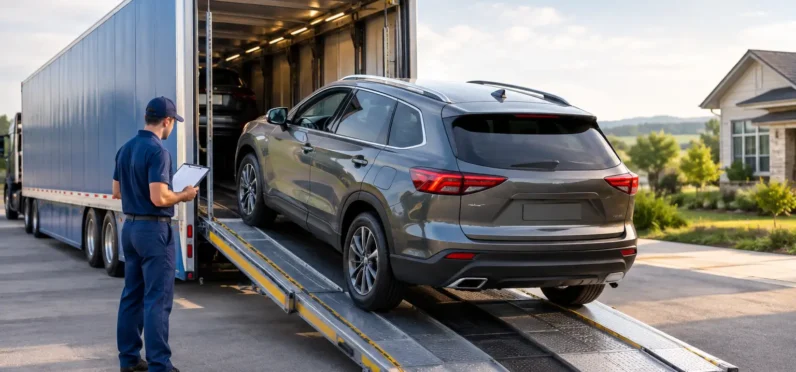
Once a carrier accepts the shipment, pickup is scheduled. The driver contacts you or your designated contact before arrival, then completes a vehicle condition report at pickup. Your car is loaded, transported, and delivered within the agreed delivery window. At delivery, you inspect it again before signing the final paperwork and paying any remaining balance due to the driver.
USA Auto Shipping helps coordinate those moving parts, from carrier options and dispatch to shipment updates and final delivery communication.
Choose the Transport That Fits Your Vehicle
Most customers choose open carrier transport. These are the large multi-car trailers commonly seen on highways. Open transport is generally the most affordable way to move a standard car, truck, or SUV between states, and it is a practical option for most daily drivers. The trade-off is exposure to normal road and weather conditions during transit.
Enclosed transport places the vehicle inside a covered trailer. It costs more, but it provides additional protection from weather, road dust, and debris. This option often makes sense for classic cars, collector vehicles, luxury models, exotic cars, and vehicles with custom paint or low ground clearance.
Door-to-door service is another choice that should be understood correctly. It means the carrier aims to pick up and deliver as close to each address as safely and legally possible. A full-size car hauler cannot always enter narrow residential streets, gated communities, or areas with low branches and restricted turns. In those cases, the driver may arrange a nearby wide parking lot, shopping center, or other accessible meeting point. That is normal planning, not a reduction in service.
What Determines the Cost to Ship a Car to Another State?
There is no honest flat rate for every route because carrier capacity changes with the season, the lane, and the details of the vehicle. Quotes should be based on the actual shipment, not a vague estimate that changes once the process is underway.
The largest variables are distance, route popularity, vehicle size and weight, transport type, condition, timing, and pickup or delivery accessibility. A non-running vehicle may require equipment and extra loading time. A lifted truck, oversized SUV, or commercial vehicle can take up more trailer space than a standard sedan. Enclosed transport and expedited service also carry a higher price because they limit carrier availability or require faster scheduling.
Seasonal demand has an effect as well. Routes between New York and Florida can become especially busy when snowbirds relocate, while weather conditions in northern states may slow schedules during winter. If your dates are flexible, say so when requesting a quote. Even a few extra days can give a coordinator more room to match your vehicle with a qualified carrier at a reasonable rate.
Be cautious with a price that seems dramatically lower than all other offers. In auto transport, an unrealistically low quote may not attract a carrier willing to run the route. A clear quote should explain the service level, expected timing, deposit structure, and any circumstances that could affect the final rate.
Prepare Your Car Before Pickup
A little preparation makes pickup and delivery easier and helps protect you if questions arise about vehicle condition. Clean the exterior enough that existing scratches, dents, and chips are visible. Then take date-stamped photos from multiple angles, including close-ups of any existing damage. This gives you a useful personal record alongside the carrier’s pickup inspection report.
Remove personal belongings, loose accessories, toll tags, and valuables. Car carriers are licensed to transport vehicles, not household goods, and items inside the car may shift, be restricted, or complicate weight limits. Leave only essential factory-installed equipment in the vehicle.
Keep the fuel level at roughly one-quarter tank. That is enough for loading and unloading without adding unnecessary weight. Disable alarms if possible, secure or retract antennas, and tell the driver about any special operating instructions. If the vehicle has very low clearance, oversized tires, a modified suspension, or a mechanical issue, disclose it before dispatch. Accurate information allows the right carrier and equipment to be selected.
You should also have a spare key available. If you cannot be present at pickup or delivery, assign a trusted adult who can release or receive the vehicle, review the inspection report, and communicate with the driver.
Understand Timing Without Expecting a Guaranteed Minute
Auto transport involves more variables than a package shipment. Drivers must comply with federal hours-of-service rules, manage traffic and weather, load multiple vehicles, and coordinate stops across a route. That is why reputable transport providers communicate in pickup and delivery windows rather than promising an exact arrival time weeks in advance.
For a state-to-state move, pickup may occur within a scheduled range. After the vehicle is on the carrier, the driver or coordinator provides delivery updates as the route progresses. Shorter regional moves can be completed quickly, but cross-country transport naturally takes longer. A flexible schedule is useful, particularly when a carrier is serving several customers along the same lane.
If you have a strict deadline, such as a military reporting date, a home closing, or a vehicle sale, share it at the start. Expedited shipping may be available, but it costs more and still depends on safe operating conditions. Planning ahead is usually the most affordable way to reduce timing pressure.
Protect Yourself at Pickup and Delivery
The bill of lading, often called the vehicle condition report, is one of the most important documents in the shipment. At pickup, walk around the vehicle with the driver. Make sure pre-existing marks are documented, and keep a copy of the signed report.
At delivery, inspect the car in daylight when possible, before signing the final release. Compare the vehicle with your photos and the pickup condition report. Look at the roof, bumpers, wheels, mirrors, windshield, and lower panels, not just the driver’s side. If you see possible new damage, note it on the bill of lading before signing and contact your shipping coordinator promptly for next steps.
Ask before booking how cargo insurance is handled while the vehicle is in the carrier’s care and what documentation is required if a claim is needed. You may also want to check your personal auto policy for any coverage that applies during transport. Clear expectations are part of a safe and secure shipment.
Payment and Communication Should Be Clear
A straightforward payment process reduces one of the most common frustrations in auto shipping. Confirm when a deposit is charged, what amount is paid to the carrier at delivery, and which payment methods are accepted. With a properly managed booking, the deposit is charged after a carrier accepts the shipment, not before a carrier has been secured.
Keep your phone available around pickup and delivery. Drivers often need to confirm access, meeting locations, or estimated arrival times. If you are coordinating from another state, give the transport team the best contact information for anyone meeting the driver. Good communication prevents small scheduling issues from becoming missed pickups or delayed deliveries.
Shipping a vehicle should feel organized, not uncertain. Provide accurate details, choose the protection level that suits your vehicle, document its condition, and allow a reasonable scheduling window. With the right carrier coordination, your car can arrive in the next state on time and affordably while you focus on the move waiting for you there.