

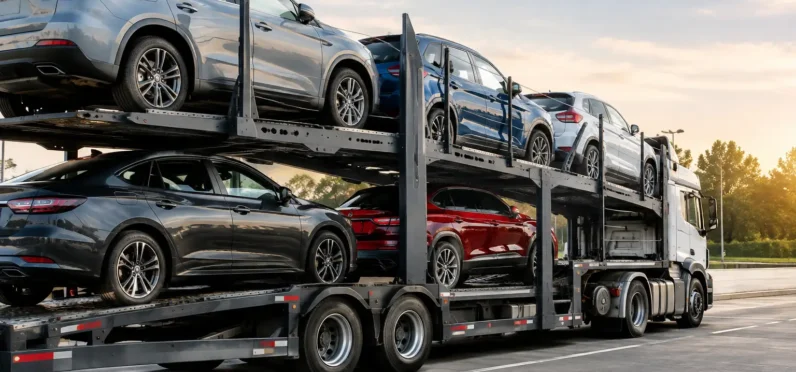
A cross-country drive can turn a straightforward move into several long days of fuel stops, hotel bills, weather checks, tire wear, and uncertainty. The professional transport benefits of shipping your vehicle are most apparent when your time, vehicle condition, and peace of mind matter as much as the destination. Rather than putting thousands of miles on your car, truck, or SUV, you can have a qualified carrier handle the route while you focus on the rest of your move.
For a family relocating to Florida, a buyer purchasing a vehicle from another state, or a military household working around a reporting date, auto transport is not simply about avoiding a drive. It is a way to make a complicated logistics decision more controlled, with a defined pickup plan, delivery communication, and a documented inspection process.
Professional Transport Benefits Go Beyond Convenience
The obvious advantage is convenience. You do not need to take time off work to drive from Dallas to Los Angeles or arrange a one-way flight after delivering a vehicle yourself. That matters, but convenience is only part of the value.
Driving long distance adds mileage, which can affect resale value and accelerate routine maintenance needs. It also exposes the vehicle to road debris, construction zones, changing weather, and the normal risks of highway travel. Shipping does not remove every transit risk, but it avoids putting the vehicle through an unnecessary cross-country trip under its own power.
Professional transport also gives you a clearer division of responsibilities. The carrier handles loading, securement, road travel, and delivery. You prepare the vehicle, review its condition at pickup and delivery, and stay available for scheduling updates. When each party knows what to expect, the shipment is easier to manage.
Time can be more valuable than the drive
A long route is rarely just the number of hours shown on a map. Add fuel stops, meals, overnight stays, traffic delays, vehicle checks, and the possibility of a mechanical issue, and the trip can consume several days. If you are starting a new job, coordinating movers, or closing on a home, those days can be difficult to spare.
With auto transport, you can travel by the method that best fits your schedule. Some customers fly ahead and receive their vehicle after they arrive. Others coordinate delivery with family, a dealership, or a trusted representative. Timing still depends on carrier availability, route conditions, and pickup and delivery access, but you are not personally committed to every mile.
Less wear on the vehicle
Mileage is not the only concern. Long-distance driving puts wear on tires, brakes, fluids, and mechanical components. A newer vehicle may handle the trip without trouble, while an older, classic, or specialty vehicle may deserve a more cautious plan.
For classic cars, luxury vehicles, and low-clearance models, an enclosed carrier can provide additional protection from weather and road exposure. It generally costs more than open transport, so the right choice depends on the vehicle’s value, condition, budget, and your comfort level. Open carriers remain a practical and widely used option for standard cars, trucks, and SUVs.
A Safer, More Accountable Shipping Process
Handing over a vehicle is a major decision. A professional transport process should replace guesswork with clear information, not add more of it.
A reputable auto transport coordinator gathers the vehicle details, origin and destination, desired timing, and transport preferences before seeking carrier options. Those details matter. A lifted truck, inoperable vehicle, oversized SUV, or car with very low ground clearance may require different equipment or loading arrangements than a standard sedan.
Once a carrier accepts the shipment, the customer should know the agreed transport terms, likely pickup window, payment expectations, and how communication will work. USA Auto Shipping coordinates these moving parts by connecting customers with qualified, licensed carriers and keeping the shipment process understandable from dispatch through delivery.
Documentation protects everyone
At pickup, the driver and customer typically inspect the vehicle and record its condition on a bill of lading or vehicle condition report. This is not a formality. It creates a baseline for the vehicle before transport begins.
Take your own dated photos as well, including close-ups of existing scratches, dents, wheels, and glass. At delivery, inspect the vehicle before signing the final paperwork. If you notice new damage, document it immediately with the driver and keep copies of all records. This approach supports an orderly claim process if an issue arises.
Carrier insurance is another important benefit, but customers should understand what it means. Transporting carriers generally maintain cargo coverage while a vehicle is in the driver’s care, subject to policy terms and exclusions. Ask for clarification when needed, especially for high-value vehicles, aftermarket equipment, personal items, or vehicles with pre-existing damage. Clear documentation and realistic expectations provide much better protection than assumptions.
Better Control Over Cost and Planning
Professional shipping is often compared only with the price of gas. That leaves out much of the real cost of driving yourself: lodging, meals, parking, tolls, time away from work, maintenance, and the value of added mileage. For some short routes, driving may still make financial sense. For longer moves, shipping can be a more practical choice once the full picture is considered.
Transport pricing varies because each shipment is different. Distance matters, but so do the vehicle’s size and operability, the route, seasonal demand, pickup flexibility, transport type, and accessibility of both locations. A shipment between major metro areas may be easier to schedule than a remote pickup that requires the carrier to travel well outside its normal route.
Door-to-door service is another practical benefit, although “door-to-door” does not always mean a carrier can reach every residential driveway. Large transport trucks may need a nearby wide street, shopping center, or meeting point when neighborhoods have low branches, narrow roads, parking restrictions, or tight turns. A good coordinator explains that possibility early so pickup day does not bring an unexpected complication.
Flexible dates can improve your options
Customers often ask for an exact pickup date. In vehicle transport, a pickup window is usually more realistic because carriers are managing multiple vehicles and changing road conditions. If your schedule allows flexibility, you may have access to more carrier options and a smoother dispatch process.
That does not mean you should accept vague communication. You should receive updates as pickup approaches, know who to contact with questions, and have advance notice when delivery is being arranged. Reliable updates are especially valuable when coordinating a move, a vehicle sale, or a dealership delivery.
When Professional Auto Transport Makes the Most Sense
Shipping is particularly useful when distance is substantial, time is limited, or the vehicle should avoid extra mileage. It can also be the sensible option when one person cannot reasonably drive two household vehicles, when a buyer has purchased a vehicle online, or when a seasonal resident is moving between homes.
Dealers and commercial customers benefit from the same structure at a larger scale. They may need multiple vehicles moved, specialized equipment for commercial trucks, or dependable coordination around inventory timelines. Collectors and luxury owners may place more value on enclosed transport and carrier selection than on getting the lowest possible rate.
The best option depends on the route and the vehicle. A reliable daily driver moving a few states away may be well suited to open transport. A rare classic heading to a show or restoration shop may justify enclosed service. The key is matching the transport method to the vehicle rather than treating every shipment the same.
Before booking, remove personal belongings, keep the fuel level low, secure or remove loose accessories, and make sure the vehicle can be accessed at pickup. These small steps help the driver load the vehicle safely and help you start the shipment with fewer surprises.
Your vehicle may be one of the most valuable items involved in a move. Choosing professional transport gives you a practical way to protect your time, limit unnecessary mileage, and keep the trip organized from the first pickup call to the final delivery inspection.