

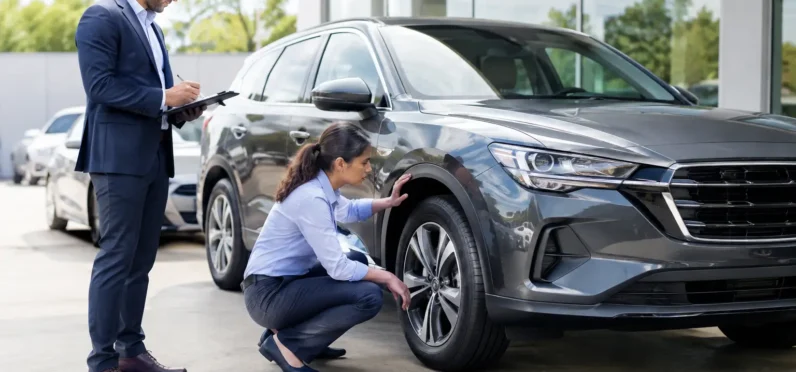
The carrier has arrived, the vehicle is off the trailer, and the final payment may be due. This is the moment your vehicle delivery inspection checklist matters most. A careful five- to 10-minute review gives you a clear record of the vehicle’s condition and helps separate a new transport issue from pre-existing wear, road dust, or a concern that needs more review.
Do not feel rushed into signing paperwork you have not read. Professional drivers work on a schedule, but a legitimate delivery inspection is part of the auto transport process. Have your phone ready, inspect the vehicle in reasonable light, and compare what you see with the pickup condition report.
Why the delivery inspection matters
Your delivery inspection creates the final condition record for the shipment. At pickup, the driver typically documents visible scratches, dents, chips, and other exterior conditions on a bill of lading or vehicle condition report. At delivery, you and the driver review the vehicle again and sign the completed paperwork.
That document is more than a formality. If you believe damage occurred during transport, written notes and photos taken before you sign help establish what was found and when. Waiting until the carrier has left can make a concern harder to verify, especially if the vehicle has been driven, washed, or parked elsewhere.
A delivery inspection also protects the driver and carrier from claims involving damage that was already present. The goal is not to assume something went wrong. It is to make sure the final paperwork accurately reflects the vehicle you received.
Prepare before the transport truck arrives
Delivery day is easier when you know what to expect. Your transport coordinator or carrier should provide an estimated delivery window and contact you as the truck gets closer. If you cannot be present, arrange for an adult representative who understands the vehicle’s condition and has permission to sign the delivery paperwork.
Choose a safe, well-lit place to meet when possible. A large auto carrier may not fit on narrow residential streets, under low branches, or in tight apartment complexes. The driver may ask to meet at a nearby wide road, parking lot, or other accessible location. That is normal and can help protect both the vehicle and the equipment during unloading.
Before the appointment, pull up your pickup photos and any copy of the original bill of lading. If the shipment was arranged through USA Auto Shipping, keep the dispatch and delivery contact information available in case the delivery location or timing needs to be coordinated.
Vehicle delivery inspection checklist
Start with the exterior before loading personal items, driving away, or making final plans. Walk around the car slowly with the driver and inspect it from more than one angle. Dirt and road film are common with open-carrier transport, so look closely before deciding whether a mark is new damage.
Use this checklist to guide the inspection:
- Compare the condition report. Review the pickup diagram and notes for pre-existing scratches, dents, paint chips, cracked trim, windshield marks, and other visible issues. Confirm that the vehicle identification number, make, model, and mileage are correct.
- Inspect paint, panels, and body lines. Check the hood, roof, trunk or tailgate, doors, bumpers, fenders, rocker panels, mirrors, and lower areas near the wheels. Look for fresh scratches, dents, scuffs, cracked plastic, or a panel that does not line up as expected.
- Check glass, lights, and exterior parts. Inspect the windshield, windows, headlights, taillights, turn signals, grille, antenna, spoilers, running boards, roof racks, and mirrors. These parts can be easier to overlook during a quick walk-around.
- Look at tires and wheels. Verify that all tires are present and visibly inflated. Check wheels for fresh curb rash or scratches, and note any obvious damage to hubcaps, wheel covers, or low-profile tires.
- Check the undercarriage area. Look beneath the vehicle for visible leaks, hanging components, or obvious scraping. You do not need to crawl under the vehicle at delivery, but anything unusual should be photographed and written down.
- Confirm the interior and basic operation. Make sure the keys were returned, then check the odometer, ignition, windows, locks, dashboard warning lights, and any accessible personal property that was approved for transport. For high-value, classic, or luxury vehicles, inspect specialized accessories and document their condition as well.
Take wide photos of each side of the vehicle, followed by close-up photos of anything you want to discuss. A short video can also capture the overall condition, but clear still photos are usually easier to reference later. Make sure your phone records the date and time if that feature is available.
How to read and sign the bill of lading
The bill of lading is generally the carrier’s pickup and delivery record. It may include the vehicle condition diagram, origin and destination details, carrier information, and signatures from the driver and customer. Read it before signing, even if the driver explains that it is routine.
If the vehicle appears to be in the same condition described at pickup, confirm that the delivery section is completed correctly, sign where required, and keep a copy. You may then complete the remaining delivery payment according to the terms of your booking. Payment methods and timing can vary, so rely on the instructions provided for your specific shipment rather than assuming every carrier handles payment the same way.
If you find a concern, do not sign a clean delivery receipt simply because you plan to call later. Ask the driver to note the specific issue on the bill of lading. Use plain details such as “new scratch on driver-side rear door” or “crack observed on passenger-side mirror housing.” Avoid vague wording like “damage” without a location or description.
You should still acknowledge receipt of the vehicle when appropriate, but the paperwork must reflect the issue you observed. Request a copy of the signed document with the exception noted. This creates a shared record rather than leaving the problem to memory after the delivery truck departs.
What to do if you find possible transport damage
Stay calm and document the issue while the driver is present. Most delivery concerns are resolved more effectively when they are recorded immediately and handled through the proper process. Do not attempt a repair, wash away evidence, or move the vehicle to another location before taking photos and preserving the paperwork.
First, photograph the affected area from wide and close angles. Include a photo that shows where the issue sits on the vehicle, then capture the detail in good light. Next, compare it against your pickup photographs and the original condition report. If it was not listed at pickup, ask the driver to add a clear note to the delivery record.
Then contact your transport coordinator promptly. Provide copies of the bill of lading, pickup and delivery photos, and a concise description of what you found. The coordinator can explain the next steps for communicating with the carrier and reviewing the applicable cargo insurance process. Coverage, documentation requirements, and claim handling can depend on the carrier and the circumstances, which is why accurate delivery-day records are so valuable.
Do not confuse normal transit conditions with damage. An open carrier protects a vehicle from the road but does not enclose it from weather, dust, or ordinary road grime. A dirty exterior can hide a mark, so inspect carefully and photograph first. If you are uncertain whether a condition is new, note it and ask for guidance rather than guessing.
Special considerations for enclosed and high-value shipments
Enclosed transport offers added protection from weather and road debris, making it a popular option for classic, exotic, and luxury vehicles. Even so, the delivery inspection remains essential. The value of the vehicle may make small cosmetic details, specialty wheels, custom bodywork, or rare trim especially important.
For these shipments, use detailed pre-transport photos and consider documenting the vehicle after it has been professionally cleaned. At delivery, inspect paint reflections, lower body panels, removable accessories, and any custom components listed in the shipment details. The same principle applies to dealer inventory: a consistent intake process helps protect margins and keeps customer handoffs on schedule.
A good inspection is not about searching for a problem. It is about accepting your vehicle with confidence, knowing the delivery record matches what is in front of you before the carrier heads to its next stop.